|
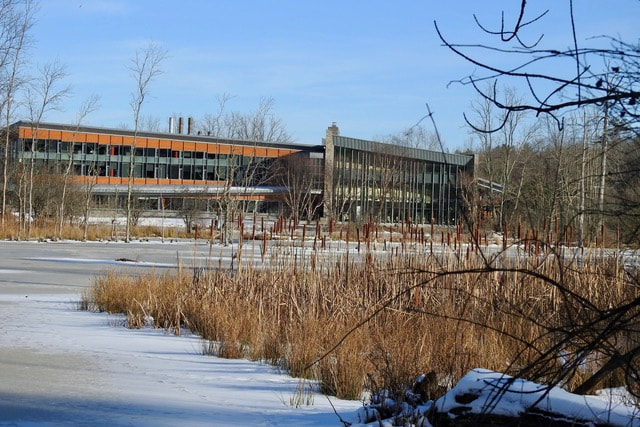
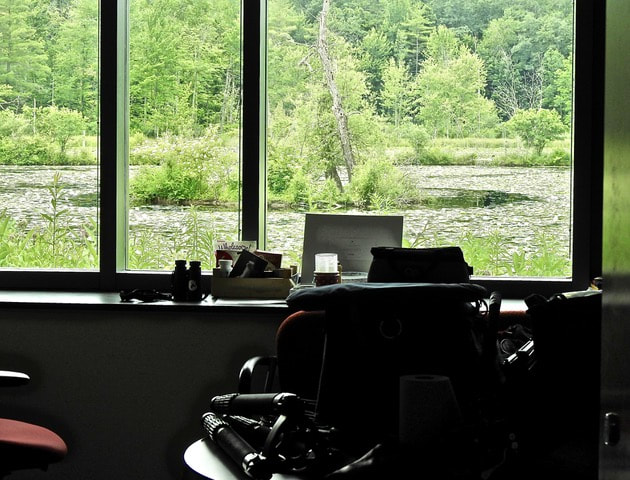
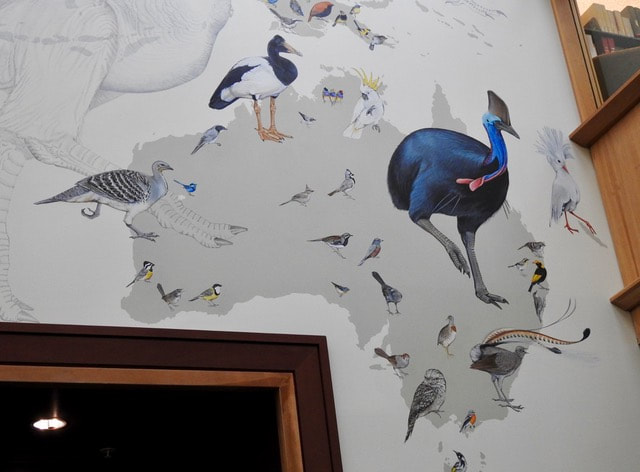
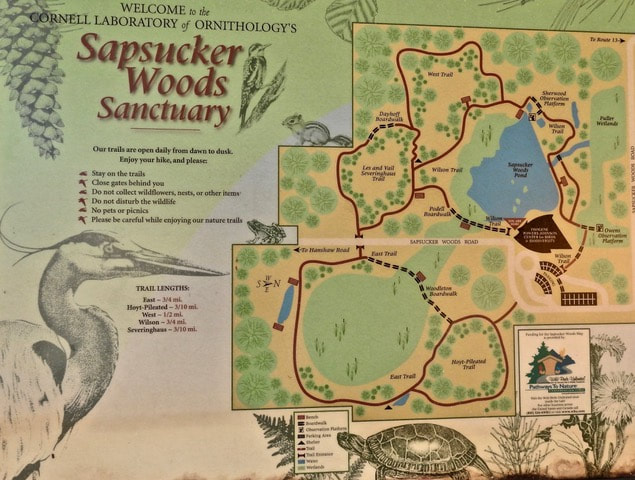
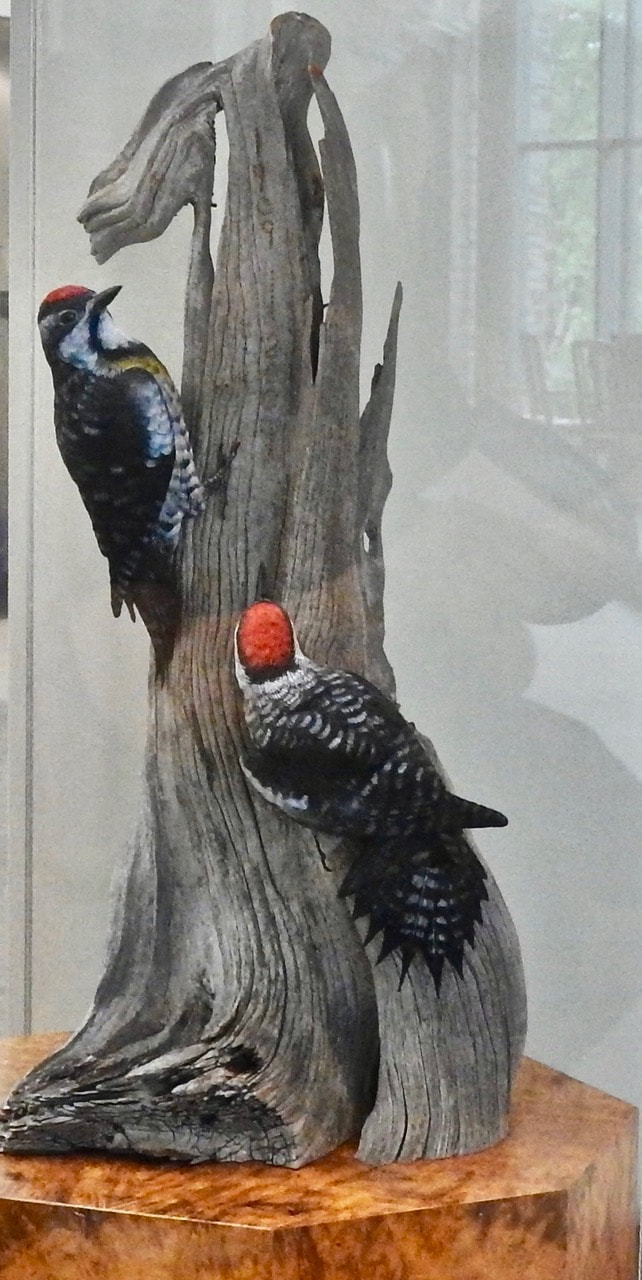
While wondering when we were likely to be able enjoy group Sunday Outings again I thought about where in the past we had been sending the information about these Outings…birds seen and their numbers etc. I checked with Marianne, who confirmed that our sightings were sent to eBird Australia. These are then sent to the Cornell Laboratory of Ornithology in the Ithaca region of the USA, where sightings from all over the world are kept and collated. I then thought about several visits Malcolm and I had made there in 2019, the first on 2nd of July, and the second on 23rd of December, (when it had been snowing, the central lake frozen, and the only birds seen were at a bird feeder) See photograph #1. In July we enjoyed a “behind the scenes” tour in the large building, given by a volunteer guide, who after a short talk on the history of the complex took us into various laboratories to see many specimens and also hear sound recordings. She also pointed out a huge mural which had been painted on a tall inside wall. It was covered with paintings of a member of each bird family in the world superimposed on the continents. See photograph #3. After this the group went their separate ways. We walked around one of the paths in the adjoining Sapsucker Woods Sanctuary which surrounds this Centre for Birds and Biodiversity. We took the Wilson Trail, which incidentally has bird call recorders at various stations along it, and walked in a clockwise direction around the central pond, which was covered with waterlilies. The sanctuary is named after the Yellow-bellied Sapsucker, a furtive mainly silent Woodpecker which gets its name from the habit of boring holes into the inner bark of a tree. They then suck up the oozing sap with their brush-like tongues. They are mainly silent, so it was no surprise that the only ones we saw were a pair of taxidermed ones in a glass case in the foyer of the main building! A Downy Woodpecker was the only one we saw, and it’s the smallest and most commonly seen. See photographs #4 and 5. Returning to the centre we sat in comfortable chairs looking through telescopes, a number of which were set up by the windows overlooking the ponds. If ever we visit the family in Ithaca again we will be back there!
2 Comments
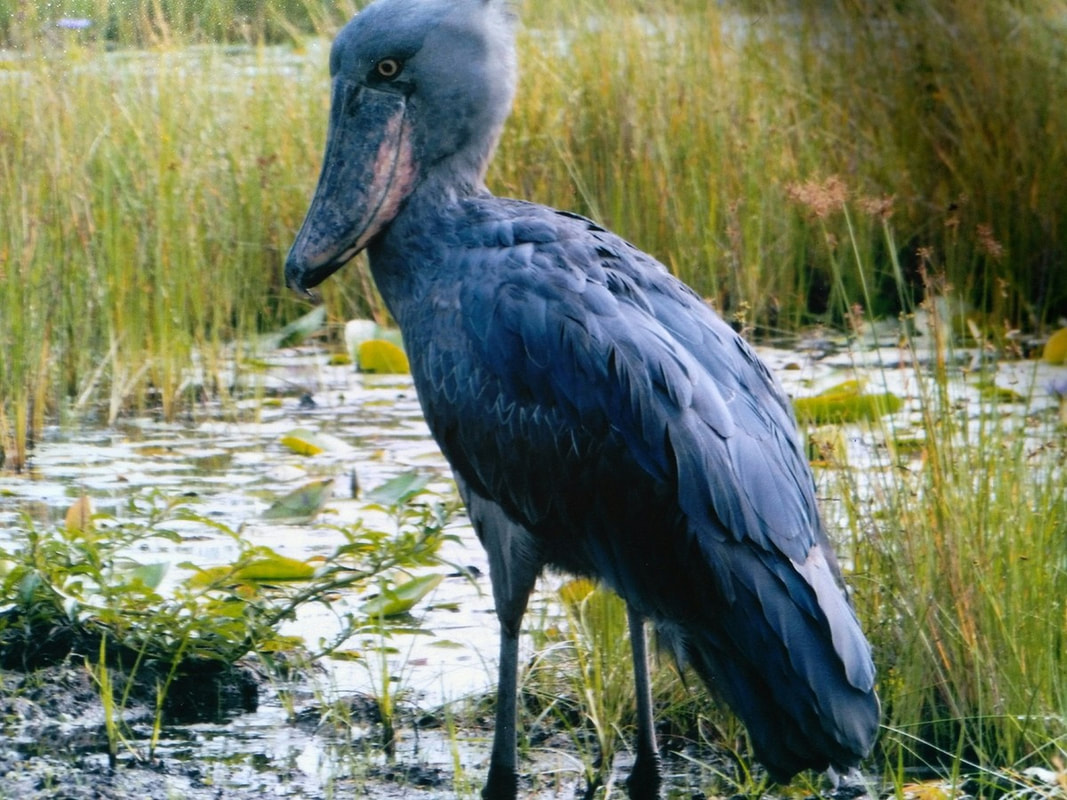
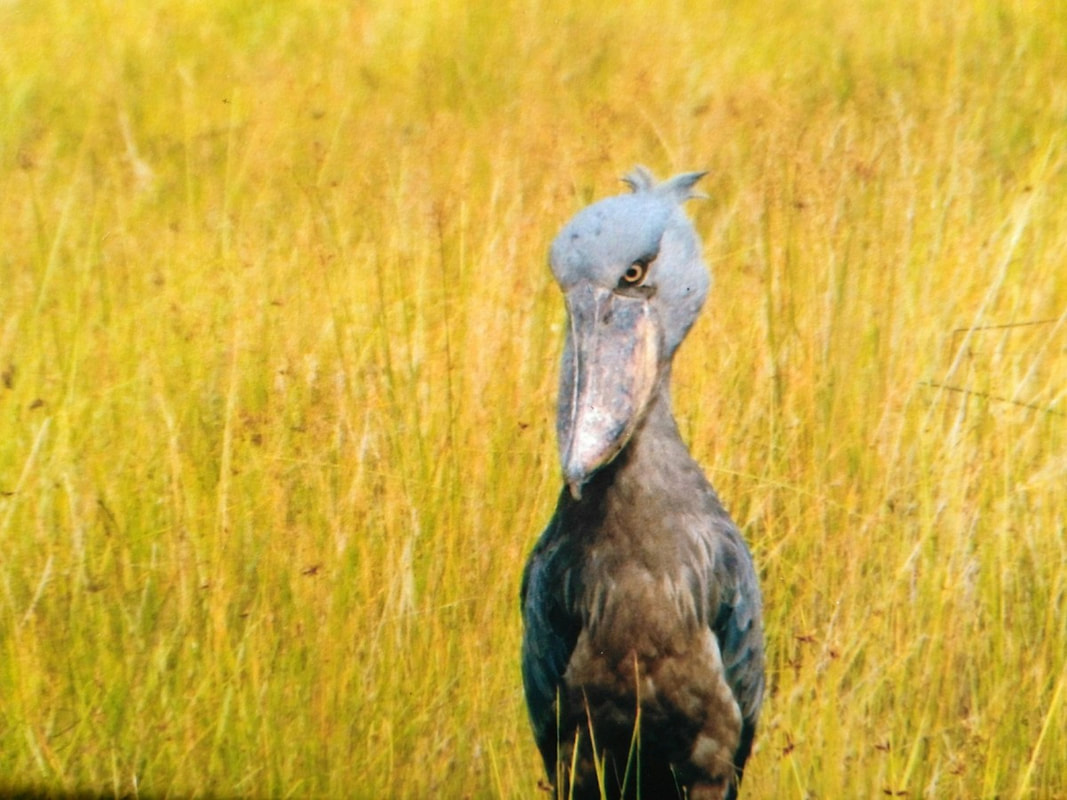
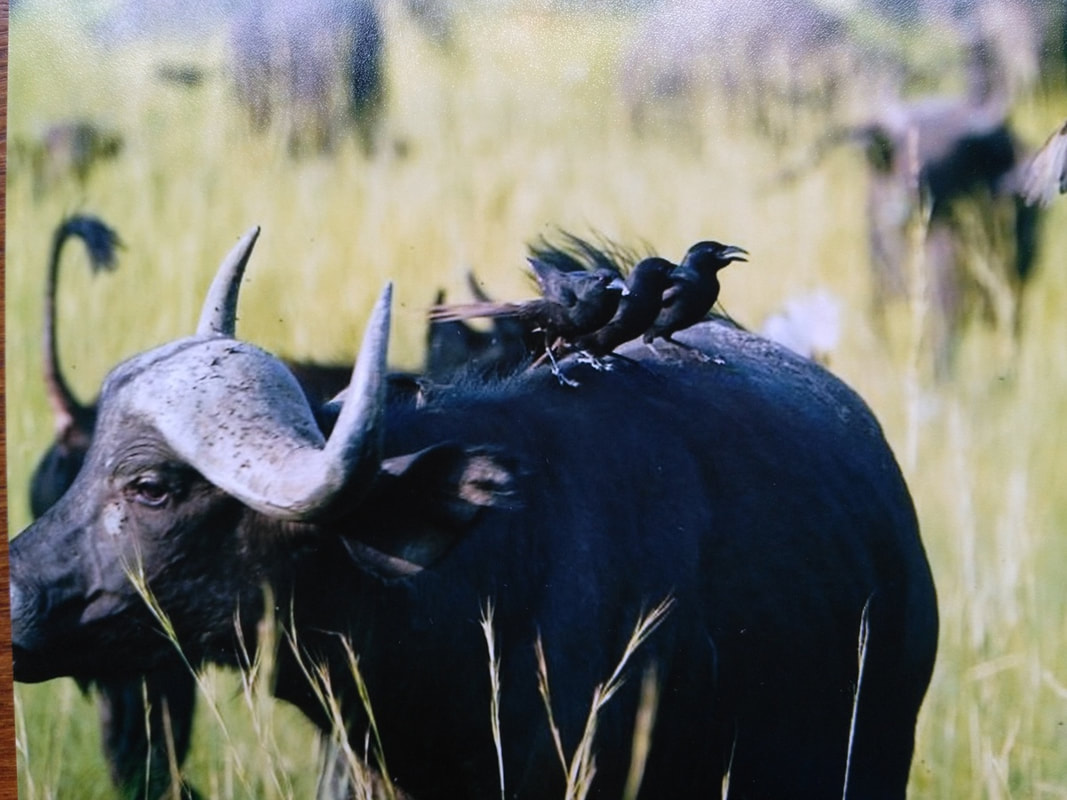
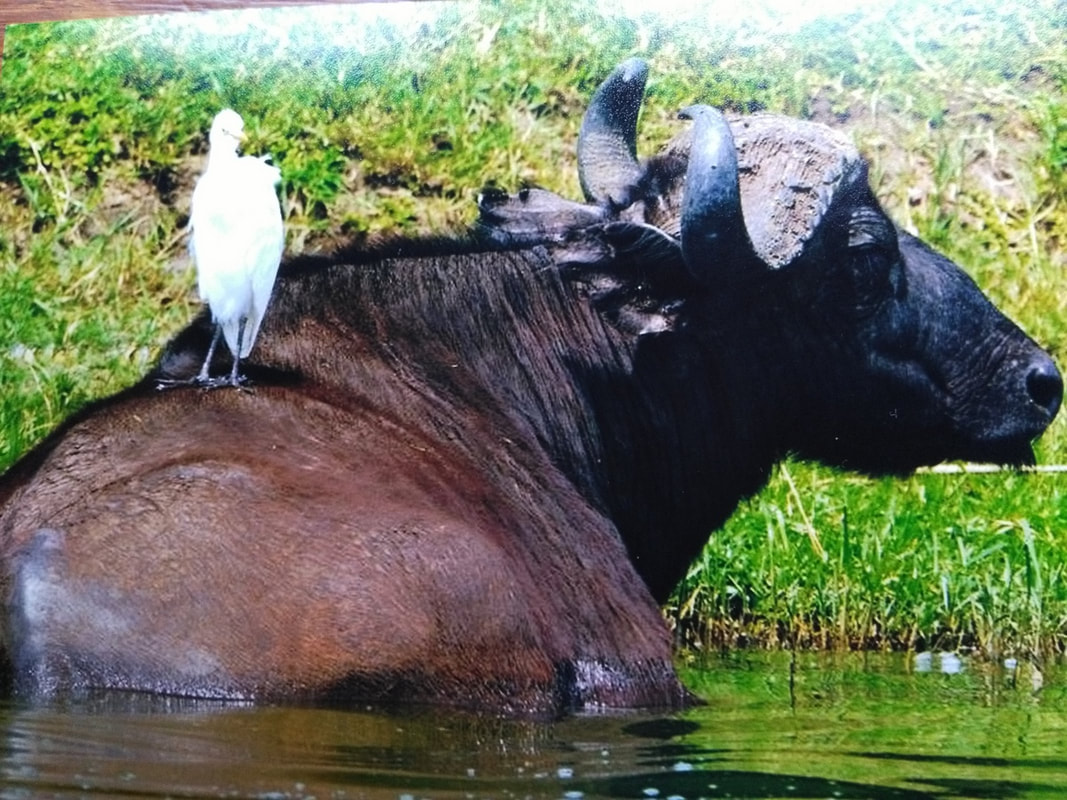
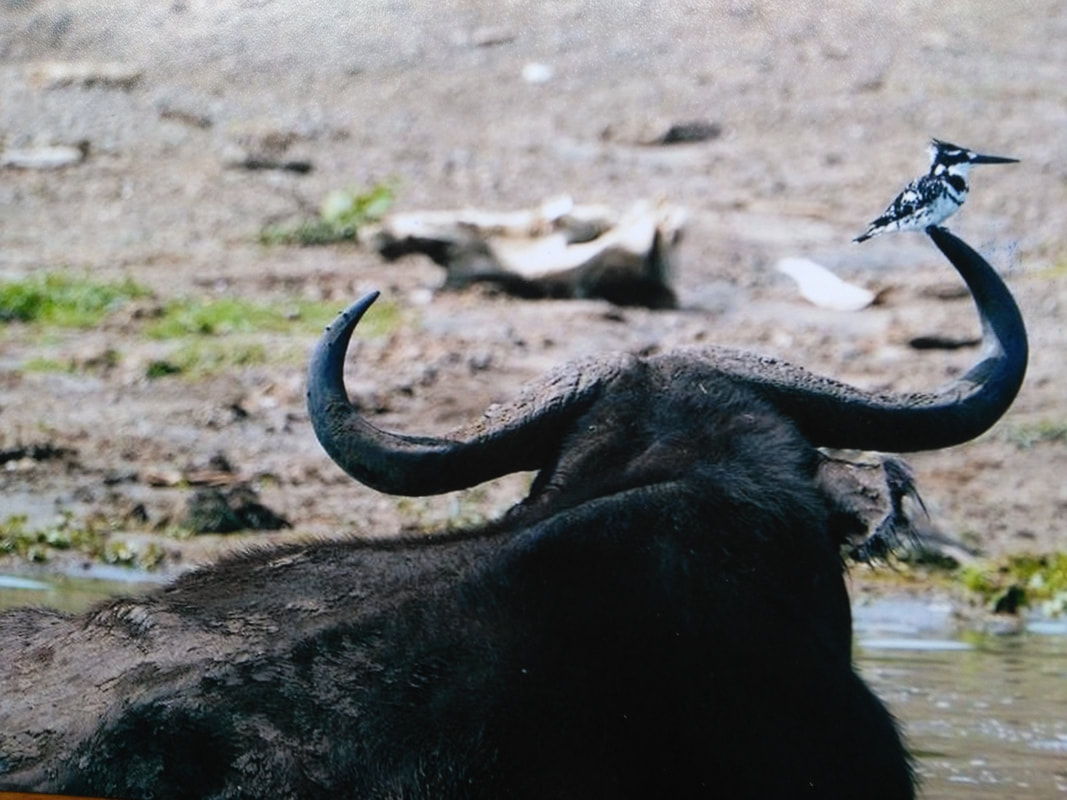
Apologies for the length of this piece … it become much more technical than anticipated, but I hope you will all find it interesting. Structural Colouration Margie Tiller mentioned recently that Joan Paton told club members many years ago that the blue colour of birds is not from actual pigments. I thought I’d investigate a little further. Blue and iridescent colours in birds are never produced by pigments. They are "structural colours”. English scientists Robert Hooke and Isaac Newton first observed (from a scientific viewpoint) this phenomenon in living creatures. In Hooke’s 1665 book, Micrographia, he said of the peacock, “… each Feather in the tail sends out multitudes of Lateral branches, … so each of those threads in the Microscope appears a large long body, consisting of a multitude of bright reflecting parts. … their upper sides seem to me to consist of a multitude of thin plated bodies, which are exceeding thin, and lie very close together, and thereby, like mother of Pearl shells, do not only reflect a very brisk light, but tinge that light in a most curious manner; and by means of various positions, in respect of the light, they reflect back now one colour, and then another, and those most vividly.” A century later, Thomas Young (1773 – 1829) explained the principles behind structural colouration. Young was a British polymath who made notable contributions to the fields of vision and light, amongst other scientific discoveries. Structural coloration is the production of colour by microscopically structured surfaces fine enough to interfere with visible light. Peacock tail feathers are pigmented brown, but their microscopic structure makes them also reflect blue, turquoise, and green light, and they are often iridescent. It made me wonder about the real pigment colours of other birds we see as iridescent blue, green, purple etc. Iridescence occurs when the colour changes with the viewing angle and orientation. Structural colour, however, is no simple matter. In bird feathers, interference is created by a range of photonic mechanisms. The vivid colouration is caused by interference effects that reflect or scatter light, rather than by pigments. Colours are produced when a material is scored with fine parallel lines, formed of one or more parallel thin layers, or otherwise composed of microstructures on the scale of the colour's wavelength. The detailed structure of the feather’s barbules reflects some wavelengths and absorbs others, and the reflected wavelength changes with the angle of reflection. The structural colour is registered by the eye in response to the reflected wavelengths and changes with the angle formed by the light, the reflecting surface, and the eye. The benefits of structural colouration for birds include for camouflage, avoiding predation, signal communication and sex choice.   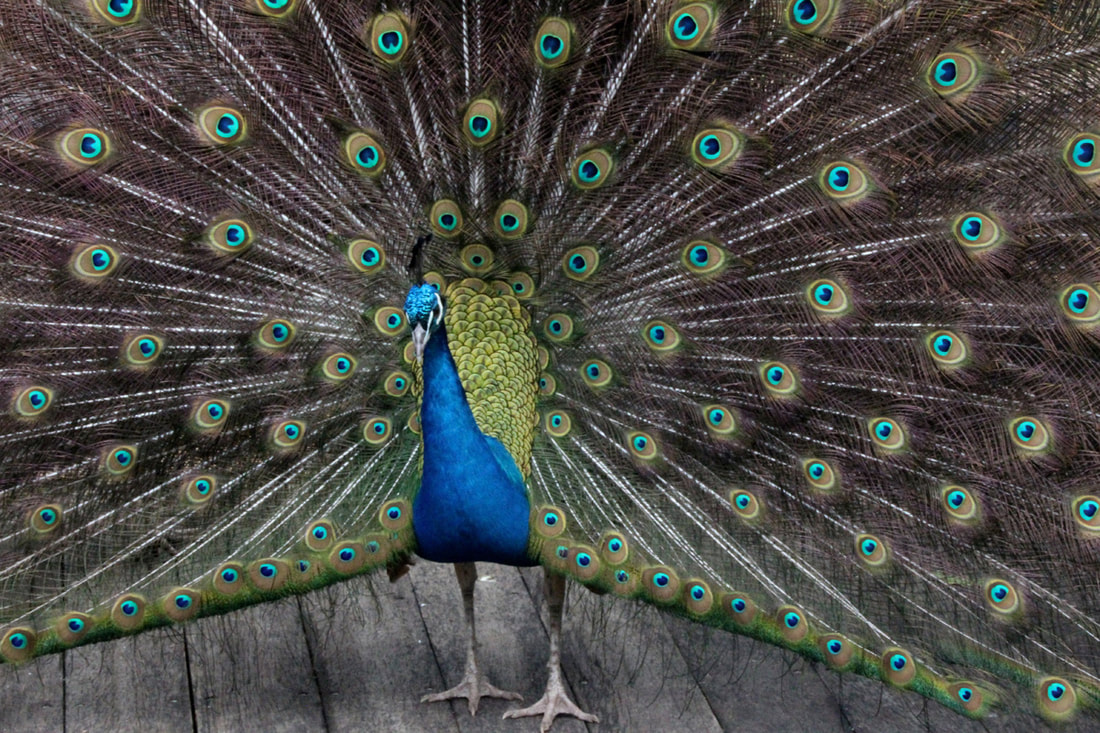 I have a few photos taken in Uganda last year to share with AOC members. Photos 1 & 2 Shoebill. (Balaeniceps rex.) Was once allied to the Pelican family but is now classified in its own family. Vulnerable, rare and very threatened it is only found in Africa and reduced to just the swamp areas of Uganda and Rwanda and Zambia. Pairs have a territory about 5 square km. in Papyrus swamps, reeds and sedges. Massive wings and can fly. Claps its bill making a hollow "clock" as a call. Photos 3, 4 & 5 The following three photos show how useful the African Buffalo can be as a safe perch for birds. Photo 3 These are a group of Piapiac, a long legged crow with a heavy decurved bill and a red eye. Common and usually seen in small flocks. Photo 4 Although not very clear in this photo this is the Yellow billed ( Intermediate) Egret. (Ardea intermedia). Photo 5 And a wonderful perch for the Pied Kingfisher. Musk Ducks After visiting Aldinga Scrub CP last week we decided to call in to the Hart Road Wetlands on the way home, to check out the resident male Musk Duck. He was still there, & after watching him for a while I started to ponder on why his tail feathers sometimes appear to be a blue colour when spread out in the water. I was reminded of the time we visited W.A. in September 2019, staying at the Karri Valley Resort, SE of the Margaret River region. The Resort is on a lake fed by water from the Beedelup Falls (and incidentally is a great place to stay). There were a number of Musk Duck there, including the female shown in the photograph, which also was showing blue tail feathers. After puzzling about this for a while I eventually remembered one of the WEA lectures given by Joan Paton, (which I attended last century!) when she told us that the blue colour of birds is not from actual pigments. It is created by the way light waves interact with the arrangement of their keratin molecules in the feathers, and which reflect light in subtly different ways to produce different shades of what our eyes perceive as the colour blue. Since all the feathers of Musk Ducks appear to be grey some of the time, and only blue when we see them from certain angles in the water, I assume that refraction of the light rays in the water makes them appear blue to us. I have not been able to find any published work on the particular subject of whether this is relevant to Musk Ducks, so I might be completely wrong, but it’s the best I can think of! (Googling directed me to a relevant article by Scott Sillett, a wildlife biologist at the Smithsonian Migratory Bird Centre, entitled Colour of Feathers in Birds.) 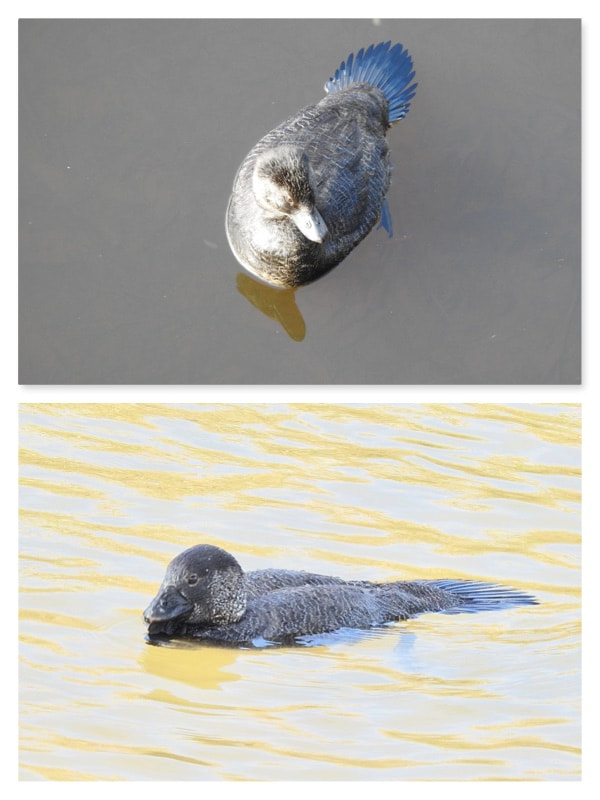 |
Archives
February 2021
Categories |
- Home
- Meetings
-
Outings
- Aldinga Scrub
- Altona
- Belair NP
- Brown Hill Creek
- Brown's Rd., Monarto
- Charleston Conservation Park
- Cox Scrub
- Currency Creek
- Goolwa Barrage
- Goolwa Barrage
- Goolwa Sewage Ponds
- Hindmarsh River Walk
- Kaiserstuhl Conservation Park
- Kyeema Conservation Park
- Laratinga
- Magazine Rd Wetlands
- Mannum Waterfalls
- Milang and Clayton Bay
- Monarto CP
- Myponga
- Onkaparinga River Recreation Park
- Kinchina
- Scott Conservation Park
- Sunnyside Lookout & Paiwalla
- Tokuremoar Reserve, Goolwa
- Tolderol
- Washpool
- Watachalunga
- Whites Road Wetlands
-
Australian Bird Library
- Recent Splits
- Photographer Credits
- Albatross
- Apostlebird
- Avocet
- Babbler
- Baza
- Bee-Eater
- Bellbird (crested)
- Bittern
- Blackbird
- Black-Cockatoo
- Blue Bonnet
- Boobook
- Booby
- Bowerbird
- Bristlebird
- Brolga
- Bronze-cuckoo
- Bronzewing
- Brush-turkey
- Budgerigar
- Bulbul and Bushlark
- Bustard
- Butcherbird
- Button-quail
- Buzzard
- Cassowary
- Catbird
- Chat
- Chough
- Chowchilla
- Cicadabird
- Cisticola
- Cockatiel
- Cockatoo: Gang-gang
- Cockatoo: Major Mitchell
- Cockatoo: Palm
- Cockatoo: Sulphur-crested
- Coot
- Corella
- Cormorant
- Coucal, Pheasant
- Crake
- Crane, Sarus
- Crow, Little
- Cuckoos
- Cuckoo-Dove, Brown
- Cuckoo Shrike, Barred to Cuckoo Shrike, White-bellied
- Curlew
- Currawong
- Darter
- Dollarbird
- Dotterel
- Dove
- Drongo, Spangled
- Duck, Australian Wood
- Duck, Blue-billed
- Duck: Freckled
- Duck: Musk
- Duck: Pacific Black
- Duck: Pink-eared
- Eagle
- Egret
- Emu
- Emu-wren
- Fairy-wren
- Falcon
- Fantail
- Fieldwren
- Figbird
- Fig-parrot, Double-eyed
- Finch, Black-throated to Gouldian
- Finch, Long-tailed to Finch, Zebra
- Firetail
- Flycatcher
- Friarbird
- Frigatebird
- Frogmouth
- Fruit-dove
- Galah
- Gannet
- Gerygone
- Giant-Petrel
- Gibberbird
- Goldfinch
- Goose, Cape Barren
- Goose-Magpie
- Goshawk
- Grassbird
- Grasswren
- Grebe
- Greenfinch, Common
- Greenshank
- Gull
- Hardhead
- Harrier
- Heathwren
- Heron
- Hobby
- Honeyeater, Banded to Honeyeater, Crescent
- Honeyeater, Dusky, to Honeyeater, New Holland
- Honeyeater, White-naped to Honeyeater, Yellow-tufted
- Ibis
- Imperial-Pigeon
- Jacana
- Jacky Winter
- Jaeger
- Junglefowl
- Kestrel
- Kingfisher
- King-parrot
- Kite
- Knot
- Koel, Eastern
- Kookaburra
- Lapwing
- Logrunner
- Lorikeet
- Lyrebird
- Magpie
- Malleefowl
- Mallard
- Mannikin
- Manucode
- Martin
- Miner
- Mistletoebird
- Monarch
- Moorhen
- Myna
- Native-hen
- Night-heron, Nankeen
- Nightjar
- Noddy
- Oriole
- Osprey
- Ostrich
- Owl
- Owlet-nightjar
- Oystercatcher
- Pardalote
- Parrot, Blue-winged
- Parrot, Bourke's
- Parrot: Eclectus to Princess
- Parrot: Red-capped to Parrot, Regent
- Parrot: Rock to Turquoise
- Peafowl
- Pelican
- Penguin
- Petrel
- Phalarope
- Pheasant ring-necked (feral)
- Pigeon
- Pipit
- Pitta
- Plains Wanderer
- Plover: Double-banded to Hooded
- Plover: Oriental to Sand
- Pratincole
- Prion
- Pygmy-goose
- Quail
- Rail
- Quail-thrush
- Raven
- Redshank
- Redthroat
- Reedwarbler
- Riflebird
- Ringneck
- Robin
- Rock-pigeon
- Rock Warbler
- Rosella
- Ruff
- Sanderling
- Sandpiper
- Scrubfowl
- Scrub-robin
- Scrubwren
- Sea-Eagle
- Shearwater
- Shelduck
- Shoveler
- Shrike
- Shrike-thrush
- Shrike-tit
- Silvereye
- Sittella
- Skua
- Snipe
- Songlark
- Sparrow
- Sparrowhawk
- Spinebill
- Spoonbill
- Starling
- Stilt
- Stint
- Stone-curlew
- Stork (Jabiru)
- Storm-petrel
- Sunbird
- Swallow
- Swamphen
- Swan
- Swift and Swiftlet
- Tattler
- Teal
- Tern: Black-naped to Gull-billed
- Tern Little to White-winged
- Thornbill
- Thrush
- Treecreeper
- Triller
- Tropicbird
- Turnstone
- Willie Wagtail
- Warbler
- Waterhen
- Wattlebird
- Wedgebill
- Weebill
- Whimbrel
- Whipbird
- Whistler
- Whistling-Duck
- White-eye
- Whiteface
- Woodswallow
- Woodhen
-
Birds of the World
- Photographer Credits
- Struthionidae (Ostriches)
- Rheidae (Rheas)
- Tinamidae (Tinamous)
- Casuariidae (Cassowaries and Emus)
- Apterygidae (Kiwis)
- Megapodiidae
- Cracidae (Guans Chachalacas Curassows)
- Numididae (Guineafowls)
- Odontophoridae (New World Quails)
- Phasianidae (Pheasants)
- Anhimidae Screamers
- Anseranatidae Magpie Goose
- Anatidae Waterfowl
- Podicipedidae (Grebes)
- Phoenicopteridae (Flamingos)
- Columbidae (Doves)
- Pteroclidae (Sandgrouse)
- Steatornithidae (Oilbirds)
- Nyctibiidae (Potoos)
- Podargidae (Frogmouths)
- Caprimulgidae (Nightjars and Nighthawks)
- Aegothelidae (Owlet-nightjars)
- Hemiprocnidae (Treeswifts)
- Apodidae Swifts
- Trochilidae (Hummingbirds)
- Cuculidae (Cuckoos)
- Musophagidae (Turacos)
- Otididae (Bustards)
- Opisthocomidae Hoatzin
- Heliornithidae (Sungrebes and Finfoots)
- Sarothruridae Flufftails and African Woodrails
- Rallidae Rails and Coots
- Psophiidae Trumpeters
- Aramidae (Limpkin)
- Gruidae Cranes
- Burhinidae (Thickknees and Stone Curlews)
- Chionidae (Sheathbills)
- Pluvianellidae (Magellanic Plover)
- Pluvianidae Egyptian Plover
- Haematopodidae (Oystercatchers)
- Ibidorhynchidae (Ibisbill)
- Recurvirostridae Stilts and Avocets
- Charadriidae Plovers
- Pedionomidae Plains-wanderer
- Thinocoridae Seedsnipes
- Rostratulidae Painted-snipe
- Jacanidae Jacanas
- Scolopacidae Sandpipers
- Turnicidae Buttonquails
- Dromadidae Crab-plover
- Glareolidae Coursers and Pratincoles
- Laridae Gulls, Terns and Skimmers
- Stercorariidae Skuas and Jaegers
- Alcidae Auks
- Rhynochetidae Kagu
- Eurypygidae Sunbittern
- Phaethontiformes Tropicbirds
- Gaviidae Loons
- Spheniscidae Penguins
- Oceanitidae Southern Storm-petrels
- Diomedeidae Albatrosses
- Hydrobatidae Northern Storm-petrels
- Procellariidae Petrels
- Ciconiidae Storks
- Fregatidae Frigatebirds
- Sulidae Boobies and Gannets
- Phalacrocoracidae Cormorants
- Anhingidae Anhingas
- Threskiornithidae Ibises and Spoonbills
- Ardeidae Herons
- Scopidae Hamerkop
- Balaenicipitidae Shoebill
- Pelecanidae Pelicans
- Cathartidae New World Vultures
- Sagittariidae Secretarybird
- Pandionidae Osprey
- Accipitridae Hawks (1)
- Accipitridae Hawks (2)
- Accipitridae Hawks (3)
- Accipitridae Hawks (4)
- Accipitridae Hawks (5)
- Strigidae Owls (1)
- Strigidae Owls (2 Otus)
- Strigidae Owls (3)
- Tytonidae (Barn Owls)
- Coliidae Mousebirds
- Leptosomidae Cuckoo-roller
- Trogonidae Trogons
- Bucerotidae Hornbills
- Upupidae Hoopoes
- Phoeniculidae Woodhoopoes
- Meropidae Bee-eaters
- Coraciidae Rollers
- Brachypteraciidae Ground-rollers
- Todidae Todies
- Momotidae Motmots
- Alcedinidae Kingfishers
- Galbulidae Jacamars
- Capitonidae New World Barbets
- Bucconidae Puffbirds
- Ramphastidae Toucans
- Semnornithidae Prong-billed Barbets
- Lybiidae African Barbets
- Megalaimidae Asian Barbets
- Indicatoridae Honeyguides
- Picidae Woodpeckers
- Cariamidae Seriemas
- Falconidae Falcons and Caracaras
- Strigopidae New Zealand Parrots
- Cacatuidae Cockatoos
- Psittacidae Parrots 1
- Psittacidae Parrots 2
- Acanthisittidae New Zealand Wrens
- Pittidae Pittas
- Philepittidae Asities
- Eurylamidae Patterned Broadbills
- Sapayoidae Sapayoa
- Calyptomenidae Green and African Broadbills
- Thamnophilidae Antbirds
- Conopophagidae Gnateaters
- Melanopareiidae Crescentchests
- Grallariidae Antpittas
- Rhinocryptidae Tapaculos
- Formicariidae Ant-thrushes
- Furnariidae Ovenbirds 1
- Furnariidae Ovenbirds (2 Cinclodes)
- Furnariidae Ovenbirds (3)
- Pipridae Manakins
- Cotingidae Cotingas
- Tityridae Tityras
- Tyrannidae Tyrant Flycatchers 1
- Tyrannidae Tyrant Flycatchers 2 2
- Tyrannidae Tyrant Flycatchers 3
- Menuridae Lyrebirds
- Achornithidae scrub-birds
- Ptilonorhynchidae Bowerbirds
- Climacteridae Australasian Treecreepers
- Maluridae Fairywrens
- Dasyornithidae Bristlebirds
- Meliphagidae Honeyeaters
- Pardalotidae Pardalotes
- Acanthizidae Thornbills
- Orthonycidae Logrunners and Chowchilla
- Pomatostomidae Australasian Babblers
- Mohouidae New Zealand Creepers
- Eulacestomidae (Wattled Ploughbird)
- Neosittidae Sitellas
- Oriolidae Old World Orioles
- Paramythidae Painted Berrypickers
- Oreoicidae Australo-Papuan Bellbirds
- Cinclosomatidae Quail-thrushes
- Falcunculidae Shrike-tit
- Pachycephalidae Whistlers
- Psophodidae Whipbirds
- Vireonidae Vireos
- Campephagidae Cuckoo-shrikes
- Rhagologidae Mottled Whistler
- Artamidae Woodswallows, Magpies and Butcherbirds
- Machaerirhynchidae Boatbills
- Vangidae Vangas and allies
- Platysteiridae Batises and Wattle-eyes
- Aegithinidae Ioras
- Pityriasidae Bristlehead
- Malaconotidae Bush-shrikes
- Rhipiduridae Fantails
- Dicruridae Drongos
- Ifritidae Ifrita
- Monarchidae Monarch Flycatchers
- Platylophidae Shrike-jay
- Laniidae Shrikes
- Corvidae Crows and Jays
- Melampittidae
- Corcoracidae Australian Mudnesters
- Paradisaedae Birds-of-Paradise
- Callaeidae New Zealand Wattlebirds
- Notiomystidae Stitchbird
- Melanocharitidae Berrypeckers and Longbills
- Cnemophilidae Satinbirds
- Picathartidae Rockfowls
- Eupetidae Rail-babbler
- Chaetopidae Rockjumpers
- Petroicidae Australasian Robins
- Hyliotidae Hyliotas
- Stenostiridae Fairy Flycatchers
- Paridae Tits and Chickadees
- Remizidae Penduline-tits
- Alaudidae Larks
- Panuridae Bearded Reedling
- Nicatoridae Nicators
- Macrosphenidae Crombecs and Allies
- Cisticolidae Cisticolas and Allies
- Acrocephalidae Reed Warblers and Allies
- Pnoepygidae Cupwings
- Locustellidae Grassbird and Allies
- Donacobiidae Donacobius
- Bernieridae Malagasy Warblers
- Hirundinidae Swallows and Martins
- Pycnonotidae Bulbuls
- Phylloscopidae Leaf Warblers
- Scotocercidae Bush Warblers
- Aegithalidae Long-tailed Tits
- Sylviidae Sylviid Warblers and Parrotbills
- Zosteropidae White-eyes and Yuhinas
- Timaliidae Tree Babblers
- Pellorneidae Ground Babblers and Allies
- Leiothrichidae Laughing-thrushes and Allies
- Certhiidae Treecreepers
- Sittidae Nuthatches
- Polioptilidae Gnatcatcher and Gnatwrens
- Troglodytidae Wrens
- Cinclidae Dippers
- Buphagidae Oxpeckers
- Sturnidae Starlings and Mynas
- Mimidae Mockingbirds and Thrashers
- Turdidae Thrushes
- Muscicapidae Old World Flycatchers and Chats 1
- Muscicapidae Old World Flycatchers and Chats 2
- Muscicapidae Old World Flycatchers and Chats 3
- Muscicapidae Old World Flycatchers and Chats 4
- Muscicapidae Old World Flycatchers and Chats 5
- Bombycillidae waxwings
- Promeropidae Sugarbirds
- Irenidae Fairy-bluebirds
- Chloropseidae Leafbirds
- Dicaeidae Flowerpeckers
- Nectariniidae Sunbirds and Spiderhunters
- Prunellidae Accentors
- Ploceidae Weavers and Allies
- Estrildidae Waxbills and Allies
- Viduidae Whydahs and Indigobirds
- Passeridae Old World Sparrows
- Motacillidae Pipits and Wagtails
- Fringillidae Finches and Allies
- Calcariidae Longspurs
- Rhodinocichla Thrush-tanager
- Emberizidae Old World Buntings
- Passerellidae New World Sparrows
- Icteridae New World Blackbirds
- Parulidae New World Warblers
- Cardinalidae Cardinals and Allies
- Thraupidae Tanagers and Allies
- Thraupidae Tanagers and Allies 2
- Thraupidae Tanagers and Allies 3
- Thraupidae Tanagers and Allies 4
 RSS Feed
