|
A Covid19 bird foray
While many of you have been walking wetlands, bowling along beaches and hiking hills observing birds in their habitats, I have been reading about the very opposite: work on dead birds – taxidermy. The book, The birdman’s wife which you may have read as it was first published in 2016 is by birdwatcher, Melissa Ashley. With some literary reservations, I have found it a delightful book: written as if told by Elizabeth Gould, wife of John Gould, it describes her life and love of birds expressed through her painting skills. The facts are well researched and any deviation is described by the author. Some years ago I read another book (title forgotten) about the Goulds in which the recognition of the differences between the beaks of finches brought from the Galapagos by Charles Darwin was attributed to Elizabeth providing further evidence for Darwin’s Theory of Evolution. I have enjoyed the careful descriptions of birds, exotic and known, as seen through an artist’s eye and shall look more carefully at specimens in the future rather than rushing into identification. An extract from the book describes the artist at work after she had been asked by her husband to draw any species undescribed by science (at that point in time): “One afternoon I picked up a specimen that resembled an American hummingbird, with a bright yellow breast and an iridescent purple crown and throat. The tiny feathers of its wing coverts were red as blood. Its bill curved like a pared fingernail, and its feet seemed fragile as twigs. Cradled in my palm, the creature was weightless, its wings fold like a closed fan, its eyes replaced by nubs of cotton.“ She then describes her effort to represent the plumage accurately. “I experimented at my easel, discovering that adding a sprinkling of copper powder mimicked the feathers’ iridescent gleam.” This bird from a South East Asian collection was later named by Nicholas Vigors in honour of Elizabeth as Mrs Gould’s sunbird - a photo is on the link below. https://www.australiangeographic.com.au/wp-content/uploads/2019/10/mrs-goulds-sunbird-1800x1058.jpg Aethopyga gouldiae The only sunbird in Australia is the olive backed sunbird (Cinnyris jugularis) found in Queensland. As I have described, this book has taken me on an interesting journey about the Goulds, their life, their family and above all, their dedication and hard work in describing the birds of the world.
1 Comment
Probably the most interesting sighting that we’ve had in our garden was in April 2015, when we started noticing plate-sized bare patches in the leaf litter. Then we saw a small stout bird foraging on the ground under a bush and thought it might be a Brown Quail, but then it came out and revealed itself as a Painted Button-Quail (Turnix varia). It didn’t seem to mind our presence and so we could watch it feeding with the characteristic Button-Quail method that produces ‘platelets’, a set of bare patches on the ground, about the size of dinner-plates. The bird stands on one leg and scratches the leaf litter with the other, slowly rotating the position of the standing leg until the bird has searched a whole circle. It then moves on to another spot and repeats the process, leaving behind an otherwise mysterious trail of bare circles. Rosemary took the opportunity to take some photos of the bird and its platelets, which are attached. And then, after four days, the Button-Quail vanished just as suddenly as it had appeared. 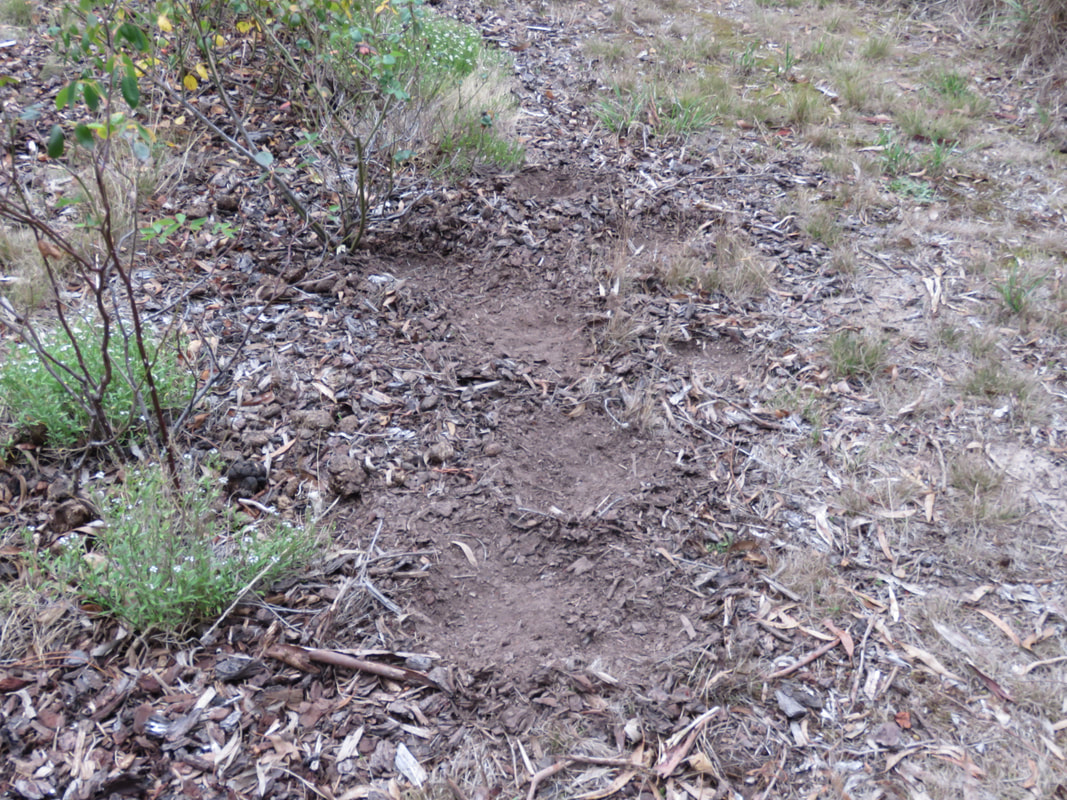 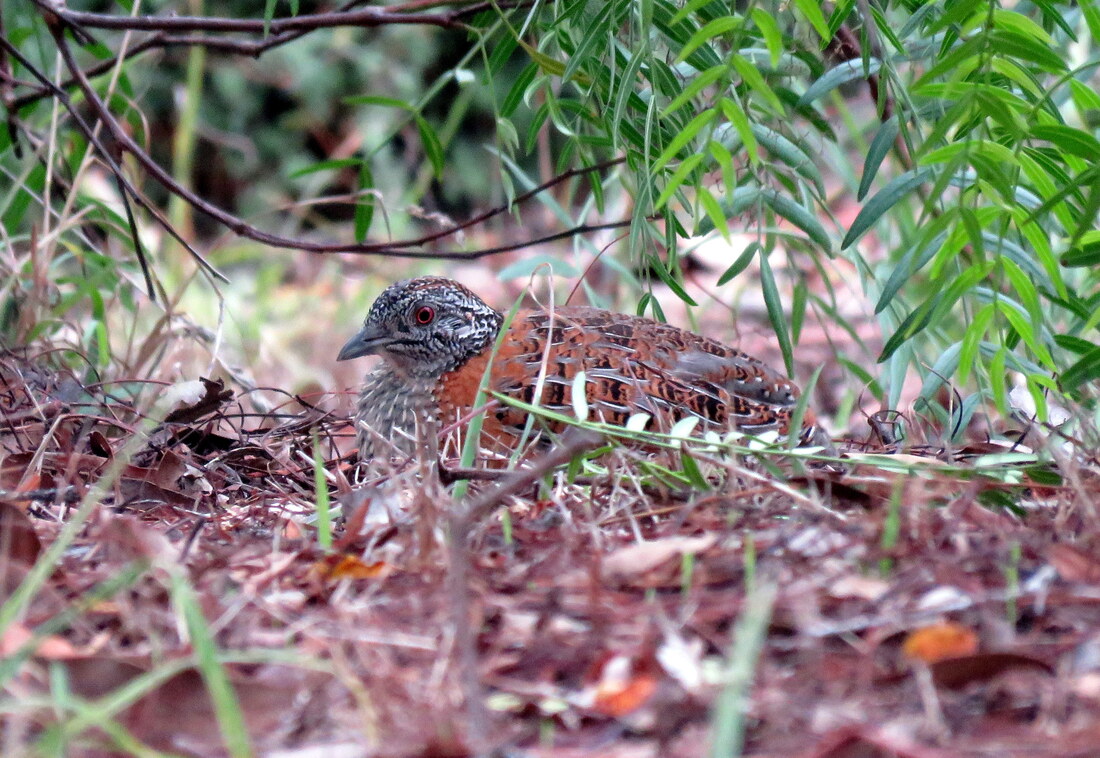 Bird Song
How do birds sing and make calls? In mammals, sounds are produced by vocal folds, but birds don’t have these. The vocal organ of birds is the syrinx. It is a double instrument located deep in a bird's chest at the point where the trachea divides into two bronchi. A human creates sound using only 2% of the air exhaled through the larynx, but a songbird uses almost all the air passing through its syrinx, even though the syrinx may be no larger than a raindrop. Sound is produced by vibrations of some or all of the membrana tympaniformis (the walls of the syrinx) and the pessulus, caused by air flowing through the syrinx. This sets up a self-oscillating system that modulates the airflow creating the sound. In passerines, a part of the syrinx rests in each bronchus and each of these halves is capable of making sound. Muscles on the left and right branch modulate vibrations independently so that some songbirds can produce more than one sound at a time. This allows a bird to sing two different notes at the same time, or even sing a duet with itself. In crows, mynas and parrots, the syrinx allows mimicry of human sounds. The location of the syrinx and the muscles that control it varies between different bird groups. For example, the syrinx may be restricted to the bronchi, such as in some non-passerines (owls, cuckoos and nightjars). In other species known as tracheophonae (ovenbirds, woodcreepers, antbirds, and gnatbirds), the syrinx may be restricted to the trachea. Yet other species of bird, such as vultures, have no syrinx and communicate by throaty hisses. And, the world’s loudest bird song? That honour, once thought to be with the Screaming Piha, belongs to the White Bellbird of the Guianas. The males blast a song, which sounds like a melodic air horn, in the face of a nearby female. Although the male usually sings at around 116 decibels (dB), when one is wooing a female, they can get as loud as 125 dB. The White Bellbird may get its extreme volume in part from its large beak that flares out like a trumpet. As the sound gets louder, its duration gets shorter, possibly because of limitations in the ability of the birds' respiratory systems to control airflow and generate sound. https://www.sbs.com.au/news/this-is-the-loudest-bird-ever-recorded Eating habits of Silver Gull [Chroicocephalus novaehollandiae] “Gulls are scavengers and do not dive into the water but pluck offal from the surface or from land” [Newman’s Birds of Southern Africa 7th Ed] “Some native predators/scavengers such as Silver Gull……are at artificially high densities, as human wastes provide rich and abundant food allowing populations to become superabundant” [Shorebirds of Australia A Geering et al 2008] A quick review of common gulls in the National Audubon Society “Field Guide to North America” reveals that some gulls frequently gather around garbage dumps, sewage outlets, and reservoirs where they are attracted to a variety of scraps and refuse including, in some cases, animal droppings and berries. Birdlife Australia’s introduction to their monograph on the Silver Gull states “There weren’t always as many Silver Gulls as there are now. Since the 1950s society has become increasingly wasteful, with our rubbish tips now bulging at the seams. With this increased availability of food in the form of refuse, the population of Silver Gulls has exploded, and offshore islands which once supported small breeding colonies are now over-run. With so many gulls dominating these breeding islands, it is becoming increasingly difficult for terns and other seabirds to breed there.” This all seems to paint a fairly miserable picture of the bird that many of us will have happily associated with beach visits most of our lives. None of these descriptions seemed particularly attractive for a bird that I have always thought of as, in appearance at least, clean, beach loving, fishing, sociable and pretty. To try and present a more pleasant view of the Silver Gull, a couple of encounters Margie and I have had with them at Black Point may help to improve their image. On a more serious note and despite the varied diet of these birds the average life span of the Silver Gull is around 23 years, with the oldest recorded 28 y 8m. They begin breeding at the end of their third year for about 11 years - but may breed more than once per year. Back in December 2008 at Black Point, Margie noticed a visiting Silver Gull to The Shack was wearing a band. As the gull observed the lunch table Margie was able to get good photographs of all of the details on the band [photos below] and submit this information to the Australian Government Department of the Environment, Water and Heritage and the Arts Bird and Bat Banding Scheme. They replied that the band had been placed on a Silver Gull on 6/11/1993 at the Breakwater, Outer Harbour SA and that the bird was age code First Year, sex unknown and gave the name of the bander. That was about 15 years between banding and the sighting at Black Point about 56km away 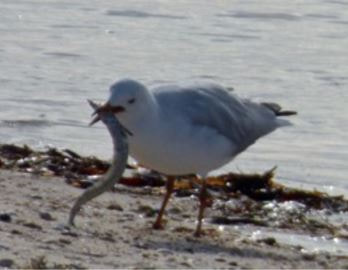 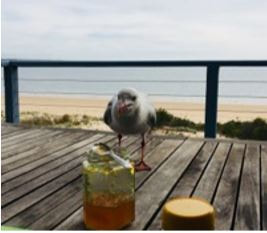 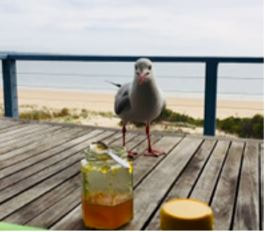 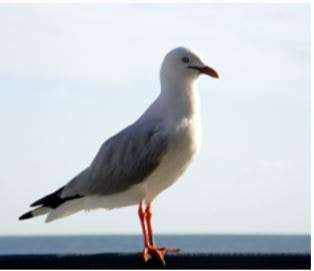 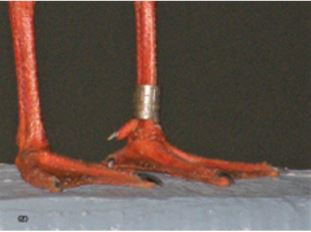 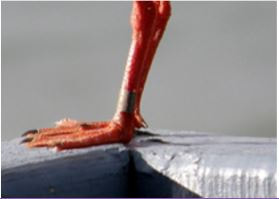 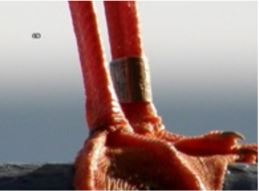 |
Archives
February 2021
Categories |
- Home
- Meetings
-
Outings
- Aldinga Scrub
- Altona
- Belair NP
- Brown Hill Creek
- Brown's Rd., Monarto
- Charleston Conservation Park
- Cox Scrub
- Currency Creek
- Goolwa Barrage
- Goolwa Barrage
- Goolwa Sewage Ponds
- Hindmarsh River Walk
- Kaiserstuhl Conservation Park
- Kyeema Conservation Park
- Laratinga
- Magazine Rd Wetlands
- Mannum Waterfalls
- Milang and Clayton Bay
- Monarto CP
- Myponga
- Onkaparinga River Recreation Park
- Kinchina
- Scott Conservation Park
- Sunnyside Lookout & Paiwalla
- Tokuremoar Reserve, Goolwa
- Tolderol
- Washpool
- Watachalunga
- Whites Road Wetlands
-
Australian Bird Library
- Recent Splits
- Photographer Credits
- Albatross
- Apostlebird
- Avocet
- Babbler
- Baza
- Bee-Eater
- Bellbird (crested)
- Bittern
- Blackbird
- Black-Cockatoo
- Blue Bonnet
- Boobook
- Booby
- Bowerbird
- Bristlebird
- Brolga
- Bronze-cuckoo
- Bronzewing
- Brush-turkey
- Budgerigar
- Bulbul and Bushlark
- Bustard
- Butcherbird
- Button-quail
- Buzzard
- Cassowary
- Catbird
- Chat
- Chough
- Chowchilla
- Cicadabird
- Cisticola
- Cockatiel
- Cockatoo: Gang-gang
- Cockatoo: Major Mitchell
- Cockatoo: Palm
- Cockatoo: Sulphur-crested
- Coot
- Corella
- Cormorant
- Coucal, Pheasant
- Crake
- Crane, Sarus
- Crow, Little
- Cuckoos
- Cuckoo-Dove, Brown
- Cuckoo Shrike, Barred to Cuckoo Shrike, White-bellied
- Curlew
- Currawong
- Darter
- Dollarbird
- Dotterel
- Dove
- Drongo, Spangled
- Duck, Australian Wood
- Duck, Blue-billed
- Duck: Freckled
- Duck: Musk
- Duck: Pacific Black
- Duck: Pink-eared
- Eagle
- Egret
- Emu
- Emu-wren
- Fairy-wren
- Falcon
- Fantail
- Fieldwren
- Figbird
- Fig-parrot, Double-eyed
- Finch, Black-throated to Gouldian
- Finch, Long-tailed to Finch, Zebra
- Firetail
- Flycatcher
- Friarbird
- Frigatebird
- Frogmouth
- Fruit-dove
- Galah
- Gannet
- Gerygone
- Giant-Petrel
- Gibberbird
- Goldfinch
- Goose, Cape Barren
- Goose-Magpie
- Goshawk
- Grassbird
- Grasswren
- Grebe
- Greenfinch, Common
- Greenshank
- Gull
- Hardhead
- Harrier
- Heathwren
- Heron
- Hobby
- Honeyeater, Banded to Honeyeater, Crescent
- Honeyeater, Dusky, to Honeyeater, New Holland
- Honeyeater, White-naped to Honeyeater, Yellow-tufted
- Ibis
- Imperial-Pigeon
- Jacana
- Jacky Winter
- Jaeger
- Junglefowl
- Kestrel
- Kingfisher
- King-parrot
- Kite
- Knot
- Koel, Eastern
- Kookaburra
- Lapwing
- Logrunner
- Lorikeet
- Lyrebird
- Magpie
- Malleefowl
- Mallard
- Mannikin
- Manucode
- Martin
- Miner
- Mistletoebird
- Monarch
- Moorhen
- Myna
- Native-hen
- Night-heron, Nankeen
- Nightjar
- Noddy
- Oriole
- Osprey
- Ostrich
- Owl
- Owlet-nightjar
- Oystercatcher
- Pardalote
- Parrot, Blue-winged
- Parrot, Bourke's
- Parrot: Eclectus to Princess
- Parrot: Red-capped to Parrot, Regent
- Parrot: Rock to Turquoise
- Peafowl
- Pelican
- Penguin
- Petrel
- Phalarope
- Pheasant ring-necked (feral)
- Pigeon
- Pipit
- Pitta
- Plains Wanderer
- Plover: Double-banded to Hooded
- Plover: Oriental to Sand
- Pratincole
- Prion
- Pygmy-goose
- Quail
- Rail
- Quail-thrush
- Raven
- Redshank
- Redthroat
- Reedwarbler
- Riflebird
- Ringneck
- Robin
- Rock-pigeon
- Rock Warbler
- Rosella
- Ruff
- Sanderling
- Sandpiper
- Scrubfowl
- Scrub-robin
- Scrubwren
- Sea-Eagle
- Shearwater
- Shelduck
- Shoveler
- Shrike
- Shrike-thrush
- Shrike-tit
- Silvereye
- Sittella
- Skua
- Snipe
- Songlark
- Sparrow
- Sparrowhawk
- Spinebill
- Spoonbill
- Starling
- Stilt
- Stint
- Stone-curlew
- Stork (Jabiru)
- Storm-petrel
- Sunbird
- Swallow
- Swamphen
- Swan
- Swift and Swiftlet
- Tattler
- Teal
- Tern: Black-naped to Gull-billed
- Tern Little to White-winged
- Thornbill
- Thrush
- Treecreeper
- Triller
- Tropicbird
- Turnstone
- Willie Wagtail
- Warbler
- Waterhen
- Wattlebird
- Wedgebill
- Weebill
- Whimbrel
- Whipbird
- Whistler
- Whistling-Duck
- White-eye
- Whiteface
- Woodswallow
- Woodhen
-
Birds of the World
- Photographer Credits
- Struthionidae (Ostriches)
- Rheidae (Rheas)
- Tinamidae (Tinamous)
- Casuariidae (Cassowaries and Emus)
- Apterygidae (Kiwis)
- Megapodiidae
- Cracidae (Guans Chachalacas Curassows)
- Numididae (Guineafowls)
- Odontophoridae (New World Quails)
- Phasianidae (Pheasants)
- Anhimidae Screamers
- Anseranatidae Magpie Goose
- Anatidae Waterfowl
- Podicipedidae (Grebes)
- Phoenicopteridae (Flamingos)
- Columbidae (Doves)
- Pteroclidae (Sandgrouse)
- Steatornithidae (Oilbirds)
- Nyctibiidae (Potoos)
- Podargidae (Frogmouths)
- Caprimulgidae (Nightjars and Nighthawks)
- Aegothelidae (Owlet-nightjars)
- Hemiprocnidae (Treeswifts)
- Apodidae Swifts
- Trochilidae (Hummingbirds)
- Cuculidae (Cuckoos)
- Musophagidae (Turacos)
- Otididae (Bustards)
- Opisthocomidae Hoatzin
- Heliornithidae (Sungrebes and Finfoots)
- Sarothruridae Flufftails and African Woodrails
- Rallidae Rails and Coots
- Psophiidae Trumpeters
- Aramidae (Limpkin)
- Gruidae Cranes
- Burhinidae (Thickknees and Stone Curlews)
- Chionidae (Sheathbills)
- Pluvianellidae (Magellanic Plover)
- Pluvianidae Egyptian Plover
- Haematopodidae (Oystercatchers)
- Ibidorhynchidae (Ibisbill)
- Recurvirostridae Stilts and Avocets
- Charadriidae Plovers
- Pedionomidae Plains-wanderer
- Thinocoridae Seedsnipes
- Rostratulidae Painted-snipe
- Jacanidae Jacanas
- Scolopacidae Sandpipers
- Turnicidae Buttonquails
- Dromadidae Crab-plover
- Glareolidae Coursers and Pratincoles
- Laridae Gulls, Terns and Skimmers
- Stercorariidae Skuas and Jaegers
- Alcidae Auks
- Rhynochetidae Kagu
- Eurypygidae Sunbittern
- Phaethontiformes Tropicbirds
- Gaviidae Loons
- Spheniscidae Penguins
- Oceanitidae Southern Storm-petrels
- Diomedeidae Albatrosses
- Hydrobatidae Northern Storm-petrels
- Procellariidae Petrels
- Ciconiidae Storks
- Fregatidae Frigatebirds
- Sulidae Boobies and Gannets
- Phalacrocoracidae Cormorants
- Anhingidae Anhingas
- Threskiornithidae Ibises and Spoonbills
- Ardeidae Herons
- Scopidae Hamerkop
- Balaenicipitidae Shoebill
- Pelecanidae Pelicans
- Cathartidae New World Vultures
- Sagittariidae Secretarybird
- Pandionidae Osprey
- Accipitridae Hawks (1)
- Accipitridae Hawks (2)
- Accipitridae Hawks (3)
- Accipitridae Hawks (4)
- Accipitridae Hawks (5)
- Strigidae Owls (1)
- Strigidae Owls (2 Otus)
- Strigidae Owls (3)
- Tytonidae (Barn Owls)
- Coliidae Mousebirds
- Leptosomidae Cuckoo-roller
- Trogonidae Trogons
- Bucerotidae Hornbills
- Upupidae Hoopoes
- Phoeniculidae Woodhoopoes
- Meropidae Bee-eaters
- Coraciidae Rollers
- Brachypteraciidae Ground-rollers
- Todidae Todies
- Momotidae Motmots
- Alcedinidae Kingfishers
- Galbulidae Jacamars
- Capitonidae New World Barbets
- Bucconidae Puffbirds
- Ramphastidae Toucans
- Semnornithidae Prong-billed Barbets
- Lybiidae African Barbets
- Megalaimidae Asian Barbets
- Indicatoridae Honeyguides
- Picidae Woodpeckers
- Cariamidae Seriemas
- Falconidae Falcons and Caracaras
- Strigopidae New Zealand Parrots
- Cacatuidae Cockatoos
- Psittacidae Parrots 1
- Psittacidae Parrots 2
- Acanthisittidae New Zealand Wrens
- Pittidae Pittas
- Philepittidae Asities
- Eurylamidae Patterned Broadbills
- Sapayoidae Sapayoa
- Calyptomenidae Green and African Broadbills
- Thamnophilidae Antbirds
- Conopophagidae Gnateaters
- Melanopareiidae Crescentchests
- Grallariidae Antpittas
- Rhinocryptidae Tapaculos
- Formicariidae Ant-thrushes
- Furnariidae Ovenbirds 1
- Furnariidae Ovenbirds (2 Cinclodes)
- Furnariidae Ovenbirds (3)
- Pipridae Manakins
- Cotingidae Cotingas
- Tityridae Tityras
- Tyrannidae Tyrant Flycatchers 1
- Tyrannidae Tyrant Flycatchers 2 2
- Tyrannidae Tyrant Flycatchers 3
- Menuridae Lyrebirds
- Achornithidae scrub-birds
- Ptilonorhynchidae Bowerbirds
- Climacteridae Australasian Treecreepers
- Maluridae Fairywrens
- Dasyornithidae Bristlebirds
- Meliphagidae Honeyeaters
- Pardalotidae Pardalotes
- Acanthizidae Thornbills
- Orthonycidae Logrunners and Chowchilla
- Pomatostomidae Australasian Babblers
- Mohouidae New Zealand Creepers
- Eulacestomidae (Wattled Ploughbird)
- Neosittidae Sitellas
- Oriolidae Old World Orioles
- Paramythidae Painted Berrypickers
- Oreoicidae Australo-Papuan Bellbirds
- Cinclosomatidae Quail-thrushes
- Falcunculidae Shrike-tit
- Pachycephalidae Whistlers
- Psophodidae Whipbirds
- Vireonidae Vireos
- Campephagidae Cuckoo-shrikes
- Rhagologidae Mottled Whistler
- Artamidae Woodswallows, Magpies and Butcherbirds
- Machaerirhynchidae Boatbills
- Vangidae Vangas and allies
- Platysteiridae Batises and Wattle-eyes
- Aegithinidae Ioras
- Pityriasidae Bristlehead
- Malaconotidae Bush-shrikes
- Rhipiduridae Fantails
- Dicruridae Drongos
- Ifritidae Ifrita
- Monarchidae Monarch Flycatchers
- Platylophidae Shrike-jay
- Laniidae Shrikes
- Corvidae Crows and Jays
- Melampittidae
- Corcoracidae Australian Mudnesters
- Paradisaedae Birds-of-Paradise
- Callaeidae New Zealand Wattlebirds
- Notiomystidae Stitchbird
- Melanocharitidae Berrypeckers and Longbills
- Cnemophilidae Satinbirds
- Picathartidae Rockfowls
- Eupetidae Rail-babbler
- Chaetopidae Rockjumpers
- Petroicidae Australasian Robins
- Hyliotidae Hyliotas
- Stenostiridae Fairy Flycatchers
- Paridae Tits and Chickadees
- Remizidae Penduline-tits
- Alaudidae Larks
- Panuridae Bearded Reedling
- Nicatoridae Nicators
- Macrosphenidae Crombecs and Allies
- Cisticolidae Cisticolas and Allies
- Acrocephalidae Reed Warblers and Allies
- Pnoepygidae Cupwings
- Locustellidae Grassbird and Allies
- Donacobiidae Donacobius
- Bernieridae Malagasy Warblers
- Hirundinidae Swallows and Martins
- Pycnonotidae Bulbuls
- Phylloscopidae Leaf Warblers
- Scotocercidae Bush Warblers
- Aegithalidae Long-tailed Tits
- Sylviidae Sylviid Warblers and Parrotbills
- Zosteropidae White-eyes and Yuhinas
- Timaliidae Tree Babblers
- Pellorneidae Ground Babblers and Allies
- Leiothrichidae Laughing-thrushes and Allies
- Certhiidae Treecreepers
- Sittidae Nuthatches
- Polioptilidae Gnatcatcher and Gnatwrens
- Troglodytidae Wrens
- Cinclidae Dippers
- Buphagidae Oxpeckers
- Sturnidae Starlings and Mynas
- Mimidae Mockingbirds and Thrashers
- Turdidae Thrushes
- Muscicapidae Old World Flycatchers and Chats 1
- Muscicapidae Old World Flycatchers and Chats 2
- Muscicapidae Old World Flycatchers and Chats 3
- Muscicapidae Old World Flycatchers and Chats 4
- Muscicapidae Old World Flycatchers and Chats 5
- Bombycillidae waxwings
- Promeropidae Sugarbirds
- Irenidae Fairy-bluebirds
- Chloropseidae Leafbirds
- Dicaeidae Flowerpeckers
- Nectariniidae Sunbirds and Spiderhunters
- Prunellidae Accentors
- Ploceidae Weavers and Allies
- Estrildidae Waxbills and Allies
- Viduidae Whydahs and Indigobirds
- Passeridae Old World Sparrows
- Motacillidae Pipits and Wagtails
- Fringillidae Finches and Allies
- Calcariidae Longspurs
- Rhodinocichla Thrush-tanager
- Emberizidae Old World Buntings
- Passerellidae New World Sparrows
- Icteridae New World Blackbirds
- Parulidae New World Warblers
- Cardinalidae Cardinals and Allies
- Thraupidae Tanagers and Allies
- Thraupidae Tanagers and Allies 2
- Thraupidae Tanagers and Allies 3
- Thraupidae Tanagers and Allies 4
 RSS Feed
