Adelaide Ornithologists' Club
  • Home
    • Meetings
    • Outings >
      • Aldinga Scrub
      • Altona
      • Belair NP
      • Brown Hill Creek
      • Brown's Rd., Monarto
      • Charleston Conservation Park
      • Cox Scrub
      • Currency Creek
      • Goolwa Barrage
      • Goolwa Barrage
      • Goolwa Sewage Ponds
      • Hindmarsh River Walk
      • Kaiserstuhl Conservation Park
      • Kanyanpilla
      • Kyeema Conservation Park
      • Laratinga
      • Magazine Rd Wetlands
      • Mannum Waterfalls
      • Milang and Clayton Bay
      • Monarto CP
      • Myponga
      • Onkaparinga River Recreation Park
      • Kinchina
      • Scott Conservation Park
      • Sunnyside Lookout & Paiwalla
      • Tokuremoar Reserve, Goolwa
      • Tolderol
      • Washpool
      • Watachalunga
      • Whites Road Wetlands
    • Blog
    • Bulletin Board
    • Resources
    • Featured Bird
    • Book Reviews
  • Australian Bird Library
    • Recent Splits
    • Photographer Credits
    • Albatross
    • Apostlebird
    • Avocet
    • Babbler
    • Baza
    • Bee-Eater
    • Bellbird (crested)
    • Bittern
    • Blackbird
    • Black-Cockatoo
    • Blue Bonnet
    • Boobook
    • Booby
    • Bowerbird
    • Bristlebird
    • Brolga
    • Bronze-cuckoo
    • Bronzewing
    • Brush-turkey
    • Budgerigar
    • Bulbul and Bushlark
    • Bustard
    • Butcherbird
    • Button-quail
    • Buzzard
    • Cassowary
    • Catbird
    • Chat
    • Chough
    • Chowchilla
    • Cicadabird
    • Cisticola
    • Cockatiel
    • Cockatoo: Gang-gang
    • Cockatoo: Major Mitchell
    • Cockatoo: Palm
    • Cockatoo: Sulphur-crested
    • Coot
    • Corella
    • Cormorant
    • Coucal, Pheasant
    • Crake
    • Crane, Sarus
    • Crow, Little
    • Cuckoos
    • Cuckoo-Dove, Brown
    • Cuckoo Shrike, Barred to Cuckoo Shrike, White-bellied
    • Curlew
    • Currawong
    • Darter
    • Dollarbird
    • Dotterel
    • Dove
    • Drongo, Spangled
    • Duck, Australian Wood
    • Duck, Blue-billed
    • Duck: Freckled
    • Duck: Musk
    • Duck: Pacific Black
    • Duck: Pink-eared
    • Eagle
    • Egret
    • Emu
    • Emu-wren
    • Fairy-wren
    • Falcon
    • Fantail
    • Fieldwren
    • Figbird
    • Fig-parrot, Double-eyed
    • Finch, Black-throated to Gouldian
    • Finch, Long-tailed to Finch, Zebra
    • Firetail
    • Flycatcher
    • Friarbird
    • Frigatebird
    • Frogmouth
    • Fruit-dove
    • Galah
    • Gannet
    • Gerygone
    • Giant-Petrel
    • Gibberbird
    • Goldfinch
    • Goose, Cape Barren
    • Goose-Magpie
    • Goshawk
    • Grassbird
    • Grasswren
    • Grebe
    • Greenfinch, Common
    • Greenshank
    • Gull
    • Hardhead
    • Harrier
    • Heathwren
    • Heron
    • Hobby
    • Honeyeater, Banded to Honeyeater, Crescent
    • Honeyeater, Dusky, to Honeyeater, New Holland
    • Honeyeater, White-naped to Honeyeater, Yellow-tufted
    • Ibis
    • Imperial-Pigeon
    • Jacana
    • Jacky Winter
    • Jaeger
    • Junglefowl
    • Kestrel
    • Kingfisher
    • King-parrot
    • Kite
    • Knot
    • Koel, Eastern
    • Kookaburra
    • Lapwing
    • Logrunner
    • Lorikeet
    • Lyrebird
    • Magpie
    • Malleefowl
    • Mallard
    • Mannikin
    • Manucode
    • Martin
    • Miner
    • Mistletoebird
    • Monarch
    • Moorhen
    • Myna
    • Native-hen
    • Night-heron, Nankeen
    • Nightjar
    • Noddy
    • Oriole
    • Osprey
    • Ostrich
    • Owl
    • Owlet-nightjar
    • Oystercatcher
    • Pardalote
    • Parrot, Blue-winged
    • Parrot, Bourke's
    • Parrot: Eclectus to Princess
    • Parrot: Red-capped to Parrot, Regent
    • Parrot: Rock to Turquoise
    • Peafowl
    • Pelican
    • Penguin
    • Petrel
    • Phalarope
    • Pheasant ring-necked (feral)
    • Pigeon
    • Pipit
    • Pitta
    • Plains Wanderer
    • Plover: Double-banded to Hooded
    • Plover: Oriental to Sand
    • Pratincole
    • Prion
    • Pygmy-goose
    • Quail
    • Rail
    • Quail-thrush
    • Raven
    • Redshank
    • Redthroat
    • Reedwarbler
    • Riflebird
    • Ringneck
    • Robin
    • Rock-pigeon
    • Rock Warbler
    • Rosella
    • Ruff
    • Sanderling
    • Sandpiper
    • Scrubfowl
    • Scrub-robin
    • Scrubwren
    • Sea-Eagle
    • Shearwater
    • Shelduck
    • Shoveler
    • Shrike
    • Shrike-thrush
    • Shrike-tit
    • Silvereye
    • Sittella
    • Skua
    • Snipe
    • Songlark
    • Sparrow
    • Sparrowhawk
    • Spinebill
    • Spoonbill
    • Starling
    • Stilt
    • Stint
    • Stone-curlew
    • Stork (Jabiru)
    • Storm-petrel
    • Sunbird
    • Swallow
    • Swamphen
    • Swan
    • Swift and Swiftlet
    • Tattler
    • Teal
    • Tern: Black-naped to Gull-billed
    • Tern Little to White-winged
    • Thornbill
    • Thrush
    • Treecreeper
    • Triller
    • Tropicbird
    • Turnstone
    • Willie Wagtail
    • Warbler
    • Waterhen
    • Wattlebird
    • Wedgebill
    • Weebill
    • Whimbrel
    • Whipbird
    • Whistler
    • Whistling-Duck
    • White-eye
    • Whiteface
    • Woodswallow
    • Woodhen
  • Birds of the World
    • Photographer Credits
    • Struthionidae (Ostriches)
    • Rheidae (Rheas)
    • Tinamidae (Tinamous)
    • Casuariidae (Cassowaries and Emus)
    • Apterygidae (Kiwis)
    • Megapodiidae
    • Cracidae (Guans Chachalacas Curassows)
    • Numididae (Guineafowls)
    • Odontophoridae (New World Quails)
    • Phasianidae (Pheasants)
    • Anhimidae Screamers
    • Anseranatidae Magpie Goose
    • Anatidae Waterfowl
    • Podicipedidae (Grebes)
    • Phoenicopteridae (Flamingos)
    • Columbidae (Doves)
    • Pteroclidae (Sandgrouse)
    • Steatornithidae (Oilbirds)
    • Nyctibiidae (Potoos)
    • Podargidae (Frogmouths)
    • Caprimulgidae (Nightjars and Nighthawks)
    • Aegothelidae (Owlet-nightjars)
    • Hemiprocnidae (Treeswifts)
    • Apodidae Swifts
    • Trochilidae (Hummingbirds)
    • Cuculidae (Cuckoos)
    • Musophagidae (Turacos)
    • Otididae (Bustards)
    • Opisthocomidae Hoatzin
    • Heliornithidae (Sungrebes and Finfoots)
    • Sarothruridae Flufftails and African Woodrails
    • Rallidae Rails and Coots
    • Psophiidae Trumpeters
    • Aramidae (Limpkin)
    • Gruidae Cranes
    • Burhinidae (Thickknees and Stone Curlews)
    • Chionidae (Sheathbills)
    • Pluvianellidae (Magellanic Plover)
    • Pluvianidae Egyptian Plover
    • Haematopodidae (Oystercatchers)
    • Ibidorhynchidae (Ibisbill)
    • Recurvirostridae Stilts and Avocets
    • Charadriidae Plovers
    • Pedionomidae Plains-wanderer
    • Thinocoridae Seedsnipes
    • Rostratulidae Painted-snipe
    • Jacanidae Jacanas
    • Scolopacidae Sandpipers
    • Turnicidae Buttonquails
    • Dromadidae Crab-plover
    • Glareolidae Coursers and Pratincoles
    • Laridae Gulls, Terns and Skimmers
    • Stercorariidae Skuas and Jaegers
    • Alcidae Auks
    • Rhynochetidae Kagu
    • Eurypygidae Sunbittern
    • Phaethontiformes Tropicbirds
    • Gaviidae Loons
    • Spheniscidae Penguins
    • Oceanitidae Southern Storm-petrels
    • Diomedeidae Albatrosses
    • Hydrobatidae Northern Storm-petrels
    • Procellariidae Petrels
    • Ciconiidae Storks
    • Fregatidae Frigatebirds
    • Sulidae Boobies and Gannets
    • Phalacrocoracidae Cormorants
    • Anhingidae Anhingas
    • Threskiornithidae Ibises and Spoonbills
    • Ardeidae Herons
    • Scopidae Hamerkop
    • Balaenicipitidae Shoebill
    • Pelecanidae Pelicans
    • Cathartidae New World Vultures
    • Sagittariidae Secretarybird
    • Pandionidae Osprey
    • Accipitridae Hawks (1)
    • Accipitridae Hawks (2)
    • Accipitridae Hawks (3)
    • Accipitridae Hawks (4)
    • Accipitridae Hawks (5)
    • Strigidae Owls (1)
    • Strigidae Owls (2 Otus)
    • Strigidae Owls (3)
    • Tytonidae (Barn Owls)
    • Coliidae Mousebirds
    • Leptosomidae Cuckoo-roller
    • Trogonidae Trogons
    • Bucerotidae Hornbills
    • Upupidae Hoopoes
    • Phoeniculidae Woodhoopoes
    • Meropidae Bee-eaters
    • Coraciidae Rollers
    • Brachypteraciidae Ground-rollers
    • Todidae Todies
    • Momotidae Motmots
    • Alcedinidae Kingfishers
    • Galbulidae Jacamars
    • Capitonidae New World Barbets
    • Bucconidae Puffbirds
    • Ramphastidae Toucans
    • Semnornithidae Prong-billed Barbets
    • Lybiidae African Barbets
    • Megalaimidae Asian Barbets
    • Indicatoridae Honeyguides
    • Picidae Woodpeckers
    • Cariamidae Seriemas
    • Falconidae Falcons and Caracaras
    • Strigopidae New Zealand Parrots
    • Cacatuidae Cockatoos
    • Psittacidae Parrots 1
    • Psittacidae Parrots 2
    • Acanthisittidae New Zealand Wrens
    • Pittidae Pittas
    • Philepittidae Asities
    • Eurylamidae Patterned Broadbills
    • Sapayoidae Sapayoa
    • Calyptomenidae Green and African Broadbills
    • Thamnophilidae Antbirds
    • Conopophagidae Gnateaters
    • Melanopareiidae Crescentchests
    • Grallariidae Antpittas
    • Rhinocryptidae Tapaculos
    • Formicariidae Ant-thrushes
    • Furnariidae Ovenbirds 1
    • Furnariidae Ovenbirds (2 Cinclodes)
    • Furnariidae Ovenbirds (3)
    • Pipridae Manakins
    • Cotingidae Cotingas
    • Tityridae Tityras
    • Tyrannidae Tyrant Flycatchers 1
    • Tyrannidae Tyrant Flycatchers 2 2
    • Tyrannidae Tyrant Flycatchers 3
    • Menuridae Lyrebirds
    • Achornithidae scrub-birds
    • Ptilonorhynchidae Bowerbirds
    • Climacteridae Australasian Treecreepers
    • Maluridae Fairywrens
    • Dasyornithidae Bristlebirds
    • Meliphagidae Honeyeaters
    • Pardalotidae Pardalotes
    • Acanthizidae Thornbills
    • Orthonycidae Logrunners and Chowchilla
    • Pomatostomidae Australasian Babblers
    • Mohouidae New Zealand Creepers
    • Eulacestomidae (Wattled Ploughbird)
    • Neosittidae Sitellas
    • Oriolidae Old World Orioles
    • Paramythidae Painted Berrypickers
    • Oreoicidae Australo-Papuan Bellbirds
    • Cinclosomatidae Quail-thrushes
    • Falcunculidae Shrike-tit
    • Pachycephalidae Whistlers
    • Psophodidae Whipbirds
    • Vireonidae Vireos
    • Campephagidae Cuckoo-shrikes
    • Rhagologidae Mottled Whistler
    • Artamidae Woodswallows, Magpies and Butcherbirds
    • Machaerirhynchidae Boatbills
    • Vangidae Vangas and allies
    • Platysteiridae Batises and Wattle-eyes
    • Aegithinidae Ioras
    • Pityriasidae Bristlehead
    • Malaconotidae Bush-shrikes
    • Rhipiduridae Fantails
    • Dicruridae Drongos
    • Ifritidae Ifrita
    • Monarchidae Monarch Flycatchers
    • Platylophidae Shrike-jay
    • Laniidae Shrikes
    • Corvidae Crows and Jays
    • Melampittidae
    • Corcoracidae Australian Mudnesters
    • Paradisaedae Birds-of-Paradise
    • Callaeidae New Zealand Wattlebirds
    • Notiomystidae Stitchbird
    • Melanocharitidae Berrypeckers and Longbills
    • Cnemophilidae Satinbirds
    • Picathartidae Rockfowls
    • Eupetidae Rail-babbler
    • Chaetopidae Rockjumpers
    • Petroicidae Australasian Robins
    • Hyliotidae Hyliotas
    • Stenostiridae Fairy Flycatchers
    • Paridae Tits and Chickadees
    • Remizidae Penduline-tits
    • Alaudidae Larks
    • Panuridae Bearded Reedling
    • Nicatoridae Nicators
    • Macrosphenidae Crombecs and Allies
    • Cisticolidae Cisticolas and Allies
    • Acrocephalidae Reed Warblers and Allies
    • Pnoepygidae Cupwings
    • Locustellidae Grassbird and Allies
    • Donacobiidae Donacobius
    • Bernieridae Malagasy Warblers
    • Hirundinidae Swallows and Martins
    • Pycnonotidae Bulbuls
    • Phylloscopidae Leaf Warblers
    • Scotocercidae Bush Warblers
    • Aegithalidae Long-tailed Tits
    • Sylviidae Sylviid Warblers and Parrotbills
    • Zosteropidae White-eyes and Yuhinas
    • Timaliidae Tree Babblers
    • Pellorneidae Ground Babblers and Allies
    • Leiothrichidae Laughing-thrushes and Allies
    • Certhiidae Treecreepers
    • Sittidae Nuthatches
    • Polioptilidae Gnatcatcher and Gnatwrens
    • Troglodytidae Wrens
    • Cinclidae Dippers
    • Buphagidae Oxpeckers
    • Sturnidae Starlings and Mynas
    • Mimidae Mockingbirds and Thrashers
    • Turdidae Thrushes
    • Muscicapidae Old World Flycatchers and Chats 1
    • Muscicapidae Old World Flycatchers and Chats 2
    • Muscicapidae Old World Flycatchers and Chats 3
    • Muscicapidae Old World Flycatchers and Chats 4
    • Muscicapidae Old World Flycatchers and Chats 5
    • Bombycillidae waxwings
    • Promeropidae Sugarbirds
    • Irenidae Fairy-bluebirds
    • Chloropseidae Leafbirds
    • Dicaeidae Flowerpeckers
    • Nectariniidae Sunbirds and Spiderhunters
    • Prunellidae Accentors
    • Ploceidae Weavers and Allies
    • Estrildidae Waxbills and Allies
    • Viduidae Whydahs and Indigobirds
    • Passeridae Old World Sparrows
    • Motacillidae Pipits and Wagtails
    • Fringillidae Finches and Allies
    • Calcariidae Longspurs
    • Rhodinocichla Thrush-tanager
    • Emberizidae Old World Buntings
    • Passerellidae New World Sparrows
    • Icteridae New World Blackbirds
    • Parulidae New World Warblers
    • Cardinalidae Cardinals and Allies
    • Thraupidae Tanagers and Allies
    • Thraupidae Tanagers and Allies 2
    • Thraupidae Tanagers and Allies 3
    • Thraupidae Tanagers and Allies 4
  • New Page

Welcome to Wednesdays with ...

8/4/2020

3 Comments

 
Malcolm Abbott
Carnaby’s Black-Cockatoo
Calyptorhynchus latirostris
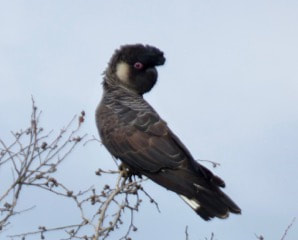
When on a trip to Western Australia in September 2019 Margie and I were keen to see Carnaby’s Black Cockatoo. They are endemic to the SW corner of WA, and have declined in recent years due to widespread clearing and decreasing food sources. Their numbers are now further threatened by recent bushfires in the region which have destroyed much of their habitat.
While enjoying delicious scones, jam, cream and coffee in Ravensthorpe we asked some of the locals where we should go to find them. “To the Golf Course-near the pine trees” in Esperance they said. So off we went - but with no success. In fact a group of club members said they thought the Cockatoos were at the Racecourse! We persisted in other likely places but failed to find them and began to wonder whether there were any there at all.
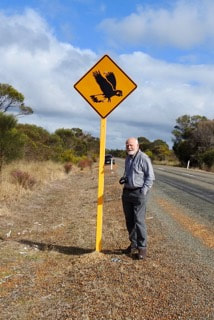
At the start of our return journey toward Perth from Esperance via Bremer Bay we had given up hope of seeing Carnabys. Then about coffee stop time we noticed a small flock of black birds some distance ahead of us. We pulled up and we had found them! After a good sighting and photographs we drove on to find black and yellow roadside signs indicating the presence of cockatoos. 
Carnaby’s Black-Cockatoo is closely related to (previously a race of) the Yellow-tailed Cockatoo having similar flight and call. It was described in 1948 by naturalist Ivan Carnaby. It is a large, dull-black cockatoo with a short erectile crest, large bill, and prominent white cheek patches. The bird is mostly grey-black with narrow off-white fringes, measures around half a metre in length, and can weigh in excess of 600g. It has a life span ranging from 25 to 50 years. They are found mainly in Eucalyptus woodland but also pine plantations mostly within the wheatbelt region of WA.


​
​2/4/2020
Judy Moyes
The Cheeky Youngster
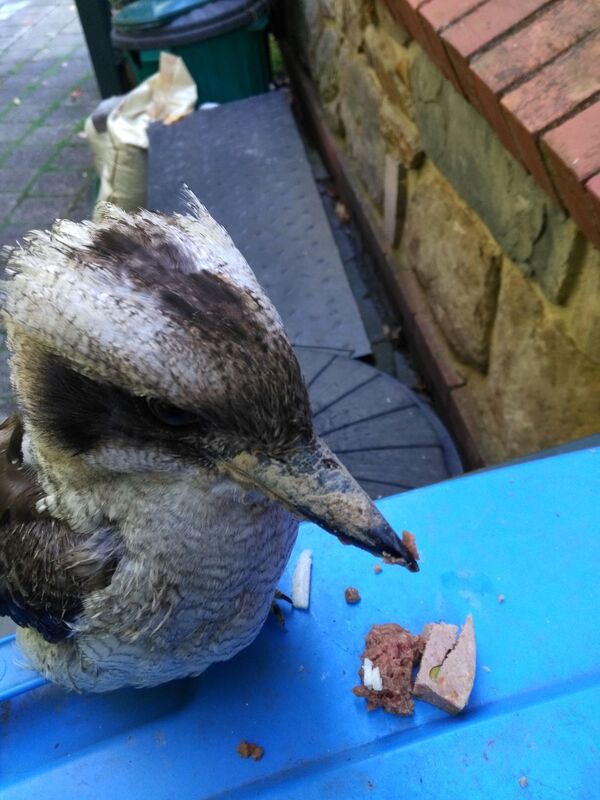
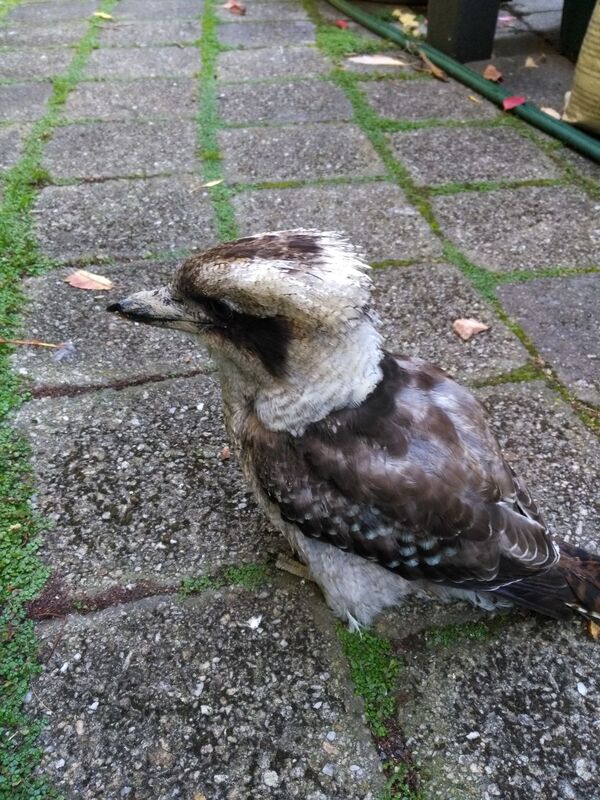
Since the fires in the Adelaide Hills I have had an influx of Kookaburras in our area. At first there seemed to be a great deal of territorial calling and I have counted up to 10 individual birds. One however seems to have been hand reared. He? Is not afraid of me at all. The minute I go out to our dustbin area he arrives, has fallen into the dustbin twice, has perched on my shoulder, my arm, and once on my head surprising me each time. He is quite relaxed being only centimetres away and listens intently when I chat to him. Although I do not want to make a pet of him I have given him the odd snack in the evening and I am hoping with all the other Kookaburras in the area he will find a mate and settle down. I have called him Swartkop. (Afrikaans for black head) as the colouring around his head seems darker than usual. A few days ago he was hopping around our courtyard when a young Magpie appeared, followed him and then tugged at his tail feathers and pulled one out. Swartkop didn’t seem too upset. 
Picture
Picture
3 Comments
Rosemary Lloyd
3/4/2020 09:39:30 am

Enjoyed this piece, Judy. It reminded me of the days when my mother would peg bits of mince to the clothes line to attact the kookaburras.

Reply
Marianne Wakelin link
4/4/2020 02:08:29 pm

Judy, love this story and the thought of Him? falling into the dustbin in his enthusiasm. Those kookaburras we saw at Little Desert National Park last October were certainly very forward birds, especially when they snitched Peter Gilchrist's cheese right from his hand.
Cheers, Marianne

Reply
Margaret Tiller
7/4/2020 04:41:24 pm

He's certainly grown from when we first saw him on your courtyard when we came up to borrow the Field Guide ob S. African birds earlier in the year!

Reply


Leave a Reply.

    Author

    AOC members.

    Archives

    February 2021
    November 2020
    October 2020
    September 2020
    August 2020
    July 2020
    June 2020
    May 2020
    April 2020

    Categories

    All

    RSS Feed

Powered by Create your own unique website with customizable templates.
  • Home
    • Meetings
    • Outings >
      • Aldinga Scrub
      • Altona
      • Belair NP
      • Brown Hill Creek
      • Brown's Rd., Monarto
      • Charleston Conservation Park
      • Cox Scrub
      • Currency Creek
      • Goolwa Barrage
      • Goolwa Barrage
      • Goolwa Sewage Ponds
      • Hindmarsh River Walk
      • Kaiserstuhl Conservation Park
      • Kanyanpilla
      • Kyeema Conservation Park
      • Laratinga
      • Magazine Rd Wetlands
      • Mannum Waterfalls
      • Milang and Clayton Bay
      • Monarto CP
      • Myponga
      • Onkaparinga River Recreation Park
      • Kinchina
      • Scott Conservation Park
      • Sunnyside Lookout & Paiwalla
      • Tokuremoar Reserve, Goolwa
      • Tolderol
      • Washpool
      • Watachalunga
      • Whites Road Wetlands
    • Blog
    • Bulletin Board
    • Resources
    • Featured Bird
    • Book Reviews
  • Australian Bird Library
    • Recent Splits
    • Photographer Credits
    • Albatross
    • Apostlebird
    • Avocet
    • Babbler
    • Baza
    • Bee-Eater
    • Bellbird (crested)
    • Bittern
    • Blackbird
    • Black-Cockatoo
    • Blue Bonnet
    • Boobook
    • Booby
    • Bowerbird
    • Bristlebird
    • Brolga
    • Bronze-cuckoo
    • Bronzewing
    • Brush-turkey
    • Budgerigar
    • Bulbul and Bushlark
    • Bustard
    • Butcherbird
    • Button-quail
    • Buzzard
    • Cassowary
    • Catbird
    • Chat
    • Chough
    • Chowchilla
    • Cicadabird
    • Cisticola
    • Cockatiel
    • Cockatoo: Gang-gang
    • Cockatoo: Major Mitchell
    • Cockatoo: Palm
    • Cockatoo: Sulphur-crested
    • Coot
    • Corella
    • Cormorant
    • Coucal, Pheasant
    • Crake
    • Crane, Sarus
    • Crow, Little
    • Cuckoos
    • Cuckoo-Dove, Brown
    • Cuckoo Shrike, Barred to Cuckoo Shrike, White-bellied
    • Curlew
    • Currawong
    • Darter
    • Dollarbird
    • Dotterel
    • Dove
    • Drongo, Spangled
    • Duck, Australian Wood
    • Duck, Blue-billed
    • Duck: Freckled
    • Duck: Musk
    • Duck: Pacific Black
    • Duck: Pink-eared
    • Eagle
    • Egret
    • Emu
    • Emu-wren
    • Fairy-wren
    • Falcon
    • Fantail
    • Fieldwren
    • Figbird
    • Fig-parrot, Double-eyed
    • Finch, Black-throated to Gouldian
    • Finch, Long-tailed to Finch, Zebra
    • Firetail
    • Flycatcher
    • Friarbird
    • Frigatebird
    • Frogmouth
    • Fruit-dove
    • Galah
    • Gannet
    • Gerygone
    • Giant-Petrel
    • Gibberbird
    • Goldfinch
    • Goose, Cape Barren
    • Goose-Magpie
    • Goshawk
    • Grassbird
    • Grasswren
    • Grebe
    • Greenfinch, Common
    • Greenshank
    • Gull
    • Hardhead
    • Harrier
    • Heathwren
    • Heron
    • Hobby
    • Honeyeater, Banded to Honeyeater, Crescent
    • Honeyeater, Dusky, to Honeyeater, New Holland
    • Honeyeater, White-naped to Honeyeater, Yellow-tufted
    • Ibis
    • Imperial-Pigeon
    • Jacana
    • Jacky Winter
    • Jaeger
    • Junglefowl
    • Kestrel
    • Kingfisher
    • King-parrot
    • Kite
    • Knot
    • Koel, Eastern
    • Kookaburra
    • Lapwing
    • Logrunner
    • Lorikeet
    • Lyrebird
    • Magpie
    • Malleefowl
    • Mallard
    • Mannikin
    • Manucode
    • Martin
    • Miner
    • Mistletoebird
    • Monarch
    • Moorhen
    • Myna
    • Native-hen
    • Night-heron, Nankeen
    • Nightjar
    • Noddy
    • Oriole
    • Osprey
    • Ostrich
    • Owl
    • Owlet-nightjar
    • Oystercatcher
    • Pardalote
    • Parrot, Blue-winged
    • Parrot, Bourke's
    • Parrot: Eclectus to Princess
    • Parrot: Red-capped to Parrot, Regent
    • Parrot: Rock to Turquoise
    • Peafowl
    • Pelican
    • Penguin
    • Petrel
    • Phalarope
    • Pheasant ring-necked (feral)
    • Pigeon
    • Pipit
    • Pitta
    • Plains Wanderer
    • Plover: Double-banded to Hooded
    • Plover: Oriental to Sand
    • Pratincole
    • Prion
    • Pygmy-goose
    • Quail
    • Rail
    • Quail-thrush
    • Raven
    • Redshank
    • Redthroat
    • Reedwarbler
    • Riflebird
    • Ringneck
    • Robin
    • Rock-pigeon
    • Rock Warbler
    • Rosella
    • Ruff
    • Sanderling
    • Sandpiper
    • Scrubfowl
    • Scrub-robin
    • Scrubwren
    • Sea-Eagle
    • Shearwater
    • Shelduck
    • Shoveler
    • Shrike
    • Shrike-thrush
    • Shrike-tit
    • Silvereye
    • Sittella
    • Skua
    • Snipe
    • Songlark
    • Sparrow
    • Sparrowhawk
    • Spinebill
    • Spoonbill
    • Starling
    • Stilt
    • Stint
    • Stone-curlew
    • Stork (Jabiru)
    • Storm-petrel
    • Sunbird
    • Swallow
    • Swamphen
    • Swan
    • Swift and Swiftlet
    • Tattler
    • Teal
    • Tern: Black-naped to Gull-billed
    • Tern Little to White-winged
    • Thornbill
    • Thrush
    • Treecreeper
    • Triller
    • Tropicbird
    • Turnstone
    • Willie Wagtail
    • Warbler
    • Waterhen
    • Wattlebird
    • Wedgebill
    • Weebill
    • Whimbrel
    • Whipbird
    • Whistler
    • Whistling-Duck
    • White-eye
    • Whiteface
    • Woodswallow
    • Woodhen
  • Birds of the World
    • Photographer Credits
    • Struthionidae (Ostriches)
    • Rheidae (Rheas)
    • Tinamidae (Tinamous)
    • Casuariidae (Cassowaries and Emus)
    • Apterygidae (Kiwis)
    • Megapodiidae
    • Cracidae (Guans Chachalacas Curassows)
    • Numididae (Guineafowls)
    • Odontophoridae (New World Quails)
    • Phasianidae (Pheasants)
    • Anhimidae Screamers
    • Anseranatidae Magpie Goose
    • Anatidae Waterfowl
    • Podicipedidae (Grebes)
    • Phoenicopteridae (Flamingos)
    • Columbidae (Doves)
    • Pteroclidae (Sandgrouse)
    • Steatornithidae (Oilbirds)
    • Nyctibiidae (Potoos)
    • Podargidae (Frogmouths)
    • Caprimulgidae (Nightjars and Nighthawks)
    • Aegothelidae (Owlet-nightjars)
    • Hemiprocnidae (Treeswifts)
    • Apodidae Swifts
    • Trochilidae (Hummingbirds)
    • Cuculidae (Cuckoos)
    • Musophagidae (Turacos)
    • Otididae (Bustards)
    • Opisthocomidae Hoatzin
    • Heliornithidae (Sungrebes and Finfoots)
    • Sarothruridae Flufftails and African Woodrails
    • Rallidae Rails and Coots
    • Psophiidae Trumpeters
    • Aramidae (Limpkin)
    • Gruidae Cranes
    • Burhinidae (Thickknees and Stone Curlews)
    • Chionidae (Sheathbills)
    • Pluvianellidae (Magellanic Plover)
    • Pluvianidae Egyptian Plover
    • Haematopodidae (Oystercatchers)
    • Ibidorhynchidae (Ibisbill)
    • Recurvirostridae Stilts and Avocets
    • Charadriidae Plovers
    • Pedionomidae Plains-wanderer
    • Thinocoridae Seedsnipes
    • Rostratulidae Painted-snipe
    • Jacanidae Jacanas
    • Scolopacidae Sandpipers
    • Turnicidae Buttonquails
    • Dromadidae Crab-plover
    • Glareolidae Coursers and Pratincoles
    • Laridae Gulls, Terns and Skimmers
    • Stercorariidae Skuas and Jaegers
    • Alcidae Auks
    • Rhynochetidae Kagu
    • Eurypygidae Sunbittern
    • Phaethontiformes Tropicbirds
    • Gaviidae Loons
    • Spheniscidae Penguins
    • Oceanitidae Southern Storm-petrels
    • Diomedeidae Albatrosses
    • Hydrobatidae Northern Storm-petrels
    • Procellariidae Petrels
    • Ciconiidae Storks
    • Fregatidae Frigatebirds
    • Sulidae Boobies and Gannets
    • Phalacrocoracidae Cormorants
    • Anhingidae Anhingas
    • Threskiornithidae Ibises and Spoonbills
    • Ardeidae Herons
    • Scopidae Hamerkop
    • Balaenicipitidae Shoebill
    • Pelecanidae Pelicans
    • Cathartidae New World Vultures
    • Sagittariidae Secretarybird
    • Pandionidae Osprey
    • Accipitridae Hawks (1)
    • Accipitridae Hawks (2)
    • Accipitridae Hawks (3)
    • Accipitridae Hawks (4)
    • Accipitridae Hawks (5)
    • Strigidae Owls (1)
    • Strigidae Owls (2 Otus)
    • Strigidae Owls (3)
    • Tytonidae (Barn Owls)
    • Coliidae Mousebirds
    • Leptosomidae Cuckoo-roller
    • Trogonidae Trogons
    • Bucerotidae Hornbills
    • Upupidae Hoopoes
    • Phoeniculidae Woodhoopoes
    • Meropidae Bee-eaters
    • Coraciidae Rollers
    • Brachypteraciidae Ground-rollers
    • Todidae Todies
    • Momotidae Motmots
    • Alcedinidae Kingfishers
    • Galbulidae Jacamars
    • Capitonidae New World Barbets
    • Bucconidae Puffbirds
    • Ramphastidae Toucans
    • Semnornithidae Prong-billed Barbets
    • Lybiidae African Barbets
    • Megalaimidae Asian Barbets
    • Indicatoridae Honeyguides
    • Picidae Woodpeckers
    • Cariamidae Seriemas
    • Falconidae Falcons and Caracaras
    • Strigopidae New Zealand Parrots
    • Cacatuidae Cockatoos
    • Psittacidae Parrots 1
    • Psittacidae Parrots 2
    • Acanthisittidae New Zealand Wrens
    • Pittidae Pittas
    • Philepittidae Asities
    • Eurylamidae Patterned Broadbills
    • Sapayoidae Sapayoa
    • Calyptomenidae Green and African Broadbills
    • Thamnophilidae Antbirds
    • Conopophagidae Gnateaters
    • Melanopareiidae Crescentchests
    • Grallariidae Antpittas
    • Rhinocryptidae Tapaculos
    • Formicariidae Ant-thrushes
    • Furnariidae Ovenbirds 1
    • Furnariidae Ovenbirds (2 Cinclodes)
    • Furnariidae Ovenbirds (3)
    • Pipridae Manakins
    • Cotingidae Cotingas
    • Tityridae Tityras
    • Tyrannidae Tyrant Flycatchers 1
    • Tyrannidae Tyrant Flycatchers 2 2
    • Tyrannidae Tyrant Flycatchers 3
    • Menuridae Lyrebirds
    • Achornithidae scrub-birds
    • Ptilonorhynchidae Bowerbirds
    • Climacteridae Australasian Treecreepers
    • Maluridae Fairywrens
    • Dasyornithidae Bristlebirds
    • Meliphagidae Honeyeaters
    • Pardalotidae Pardalotes
    • Acanthizidae Thornbills
    • Orthonycidae Logrunners and Chowchilla
    • Pomatostomidae Australasian Babblers
    • Mohouidae New Zealand Creepers
    • Eulacestomidae (Wattled Ploughbird)
    • Neosittidae Sitellas
    • Oriolidae Old World Orioles
    • Paramythidae Painted Berrypickers
    • Oreoicidae Australo-Papuan Bellbirds
    • Cinclosomatidae Quail-thrushes
    • Falcunculidae Shrike-tit
    • Pachycephalidae Whistlers
    • Psophodidae Whipbirds
    • Vireonidae Vireos
    • Campephagidae Cuckoo-shrikes
    • Rhagologidae Mottled Whistler
    • Artamidae Woodswallows, Magpies and Butcherbirds
    • Machaerirhynchidae Boatbills
    • Vangidae Vangas and allies
    • Platysteiridae Batises and Wattle-eyes
    • Aegithinidae Ioras
    • Pityriasidae Bristlehead
    • Malaconotidae Bush-shrikes
    • Rhipiduridae Fantails
    • Dicruridae Drongos
    • Ifritidae Ifrita
    • Monarchidae Monarch Flycatchers
    • Platylophidae Shrike-jay
    • Laniidae Shrikes
    • Corvidae Crows and Jays
    • Melampittidae
    • Corcoracidae Australian Mudnesters
    • Paradisaedae Birds-of-Paradise
    • Callaeidae New Zealand Wattlebirds
    • Notiomystidae Stitchbird
    • Melanocharitidae Berrypeckers and Longbills
    • Cnemophilidae Satinbirds
    • Picathartidae Rockfowls
    • Eupetidae Rail-babbler
    • Chaetopidae Rockjumpers
    • Petroicidae Australasian Robins
    • Hyliotidae Hyliotas
    • Stenostiridae Fairy Flycatchers
    • Paridae Tits and Chickadees
    • Remizidae Penduline-tits
    • Alaudidae Larks
    • Panuridae Bearded Reedling
    • Nicatoridae Nicators
    • Macrosphenidae Crombecs and Allies
    • Cisticolidae Cisticolas and Allies
    • Acrocephalidae Reed Warblers and Allies
    • Pnoepygidae Cupwings
    • Locustellidae Grassbird and Allies
    • Donacobiidae Donacobius
    • Bernieridae Malagasy Warblers
    • Hirundinidae Swallows and Martins
    • Pycnonotidae Bulbuls
    • Phylloscopidae Leaf Warblers
    • Scotocercidae Bush Warblers
    • Aegithalidae Long-tailed Tits
    • Sylviidae Sylviid Warblers and Parrotbills
    • Zosteropidae White-eyes and Yuhinas
    • Timaliidae Tree Babblers
    • Pellorneidae Ground Babblers and Allies
    • Leiothrichidae Laughing-thrushes and Allies
    • Certhiidae Treecreepers
    • Sittidae Nuthatches
    • Polioptilidae Gnatcatcher and Gnatwrens
    • Troglodytidae Wrens
    • Cinclidae Dippers
    • Buphagidae Oxpeckers
    • Sturnidae Starlings and Mynas
    • Mimidae Mockingbirds and Thrashers
    • Turdidae Thrushes
    • Muscicapidae Old World Flycatchers and Chats 1
    • Muscicapidae Old World Flycatchers and Chats 2
    • Muscicapidae Old World Flycatchers and Chats 3
    • Muscicapidae Old World Flycatchers and Chats 4
    • Muscicapidae Old World Flycatchers and Chats 5
    • Bombycillidae waxwings
    • Promeropidae Sugarbirds
    • Irenidae Fairy-bluebirds
    • Chloropseidae Leafbirds
    • Dicaeidae Flowerpeckers
    • Nectariniidae Sunbirds and Spiderhunters
    • Prunellidae Accentors
    • Ploceidae Weavers and Allies
    • Estrildidae Waxbills and Allies
    • Viduidae Whydahs and Indigobirds
    • Passeridae Old World Sparrows
    • Motacillidae Pipits and Wagtails
    • Fringillidae Finches and Allies
    • Calcariidae Longspurs
    • Rhodinocichla Thrush-tanager
    • Emberizidae Old World Buntings
    • Passerellidae New World Sparrows
    • Icteridae New World Blackbirds
    • Parulidae New World Warblers
    • Cardinalidae Cardinals and Allies
    • Thraupidae Tanagers and Allies
    • Thraupidae Tanagers and Allies 2
    • Thraupidae Tanagers and Allies 3
    • Thraupidae Tanagers and Allies 4
  • New Page